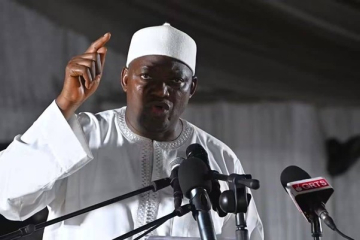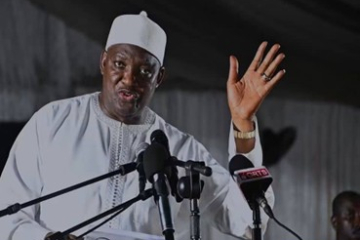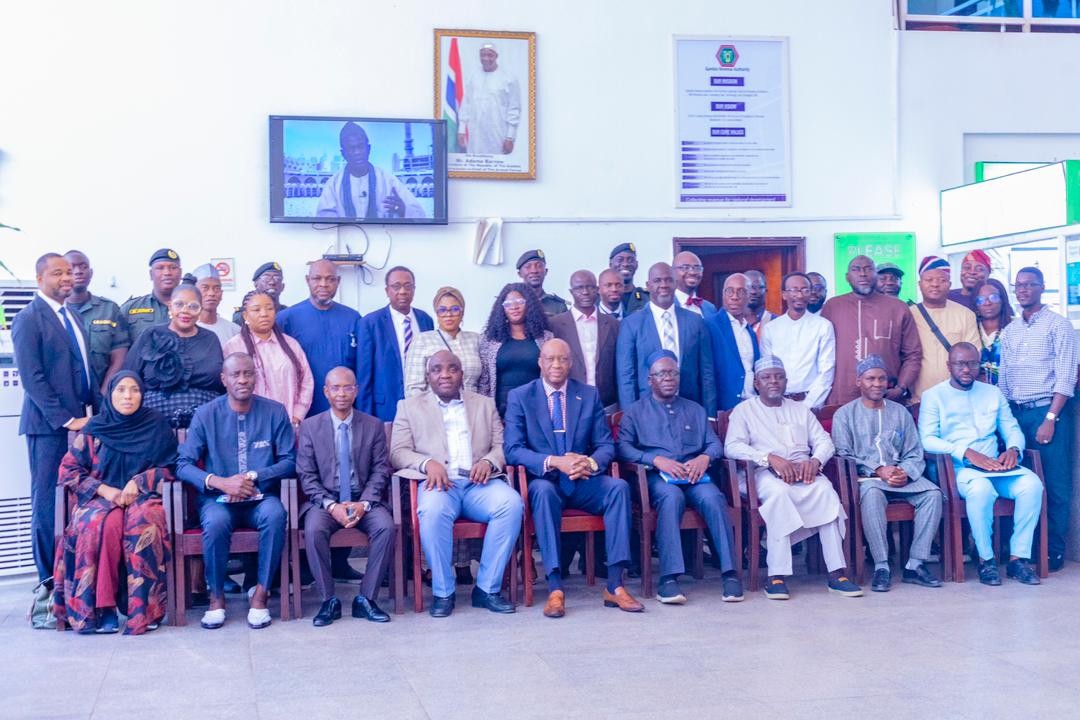
The Gambia Revenue Authority under the leadership of the Commissioner General, Yankuba Darboe, continues to register excellence performance in revenue mobilisation due to the recent implementation of various reforms through digitalisation process.
Welcoming the delegation to the GRA headquarters, CG Darboe expressed appreciation, saying “we are proud to see a country like Nigeria - the giant of Africa - coming to The Gambia on a study tour to learn best practice” from the Gambia Revenue Authority.
“This is a moment of joy and appreciation for foreign country like Nigeria recognising our potential in digital transformation system,” he said.
According to CG Darboe, their counterparts from Nigeria are here to understand GRA’s fuel marking, integrity and solution, commonly known as fuel marking initiative.
The study tour, he added, reflects the growing spirit of cooperation among revenue administrations in Africa, particularly in addressing shared challenges in the petroleum downstream sector.
The GRA boss further disclosed that the fuel integrity solution was introduced by the GRA in 2025 through a public-private partnership with SICPA Project.
He said the initiative was conceived as a strategic response to persistent challenges that were undermining both government revenue and consumer protection, adding that before its introduction, “we faced a series of issues, involving fuel smuggling, fuel adulteration of petroleum products, and unfair competition within the fuel market”.
These challenges not only resulted in substantial revenue losses to the state, but also exposed consumers to fuel products that could damage the engine and compromise safety,” he said. “The introduction of the fuel marking system was therefore driven by several key objectives. First, to cope and significantly reduce the fuel smuggling by enabling the authority to distinguish legally imported fuel from illicit products.
“Secondly, is to eliminate fuel adulterations, particularly the mixing of the legitimate fuel with smuggling or substandard products.
“Thirdly, to create a level playing field for all legitimate fuel marketers by ensuring that compliance is fairly monitored and enforced.
“Fourthly, to protect consumers by safeguarding the quality of the fuel availability on the market, thereby preventing the use of the substandard petroleum product in motor vehicles.”
CG Darboe also told the Nigerian delegation that since the introduction of the fuel integrity solution, The Gambia has recovered a significant increase in fuel-related tax revenue.
“These improvements reflect enhanced compliance, reduced leakages, and stronger monitoring capabilities across the fuel supply chain,” he said.