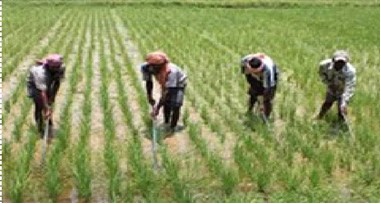
Gambian youth are transforming local agriculture, shifting rice production from manual labour to a tech-driven, profitable career.
Led by initiatives such as Roots Project and Maruo Farms, young farmers are adopting mechanised, precise methods to boost food security and income, targeting over 200,000 tons of paddy rice production by 2028.
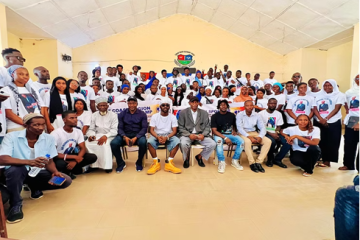
Officially launched in July 2025 at Pacharr, this initiative brings together the Roots Project and Maruo Farms to support young farmers, with over 40 youths in Central River Region acting as entrepreneurs and assistants.
Young farmers are using tools such as the AgroCares F Series Scanner for nutrient assessment, enhancing productivity in formerly abandoned lands.
The African Development Bank (AfDB) and the Gambia government are heavily investing in mechanised farming and providing training to make agriculture attractive and profitable, thereby decreasing reliance on imports.
Despite progress, challenges in land development and mechanised equipment access remain.
With proper support, a single hectare of land can yield up to 90 bags of rice per harvest, creating substantial income for farmers.
In The Gambia, rice revolution is underway as young farmers increasingly adopt modern technology to boost national food security.
With nearly 64% of the population under 24, the government and international partners are focusing on the youth to reduce the country’s heavy reliance on imported rice, which costs over US$50 million annually.
Several structured programmes are designed to transform rice farming from subsistence to a commercial venture
Maruo Farms in Pacharr empowered graduates from The Gambia Songhai Initiative (GSI) and the Gambia College to manage their own plots.
The African Development Bank is helping The Gambia in its goal of producing an additional 200,000 tons of paddy rice by 2028, with a specific focus on supporting youth entrepreneurs.
At the same time young Gambian agripreneurs are moving away from traditional tools towards data-driven farming.
New systems include the use of drones for chemical application and mechanised harvesters to improve efficiency in major fields like Sapu.
Despite the progress, significant hurdles remain for young people entering the sector.
The expense of land preparation and specialised equipment is often prohibitive.
Many individual young farmers report a lack of access to formal credit, storage facilities, and fair markets for their produce.
Inadequate fencing and poorly maintained water canals in regions like the Central River Region limit production potential.