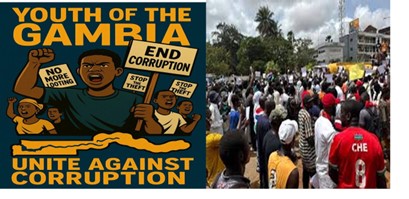
Gambian youth have continued to unite against corruption, taking the lead in steering a major anti-corruption movement in the country since 2025, demanding accountability for looted assets and justice for past rights abuses.
The initiative by groups such as Gambians Against Looted Assets (GALA) brings together young activists who have been staging protests and confronting corruption.
They are also engaging in transitional justice efforts to shape the country's democratic future.
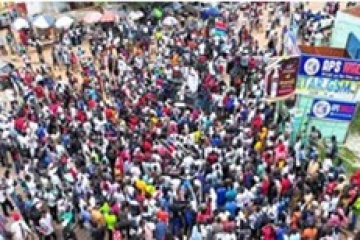
Emerging in 2025, GALA spearheaded mass protests against the mismanagement of the recovered assets of former President Yahya Jammeh, demanding transparency in governance.
Thousands of young people mobilised in July 2025, marking a significant rise in youth-driven activism against institutionalised corruption, leading to arrests and forcing government responses.
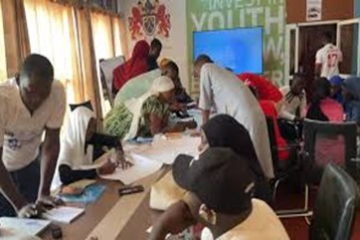
The International Center for Transitional Justice (ICTJ) and local partners (Think Young Women, Fantanka, Peace Ambassadors) are training youth in transitional justice, ensuring they play a key role in the aftermath of the Truth, Reconciliation and Reparations Commission (TRRC).
They are also active in holding dialogues to combat irregular migration and advocating for policy changes, including youth-led anti-corruption movements.
Despite being staging peaceful protests, youth activists in 2025-2026 have faced detention and pressure from authorities, with incidents of police deemed to be interfering with gatherings organised by GALA, reports say.
Decades of dictatorship have left a legacy of limited civic engagement, with young women and rural youth facing additional barriers to participation.
Youth activism has compelled the government to release details on the sale of assets and triggered investigations. And Youth-led movements are pushing for broader structural reforms, calling for accountability and economic justice rather than just addressing past, specific crimes.