
AFCON is far more than a football competition. It is a continental heritage.
For 68 years, the tournament has been staged every two years, becoming deeply woven into Africa’s sporting culture and collective memory.
This consistency has shaped generations of players, supporters, administrators and journalists.
Altering this long-standing tradition now disregards history and threatens AFCON’s unique identity within global football.
Economically, the biennial format delivers real and measurable benefits.
Frequent tournaments create recurring revenue streams for host nations, CAF, national associations, local businesses, broadcasters and sponsors.
Tourism, hospitality, transportation and informal trade all thrive during AFCON periods.
Reducing AFCON to once in every four years inevitably limits these economic opportunities, particularly for developing football nations that rely on major tournaments to stimulate growth.
AFCON serves as a vital platform for African journalists.
Each edition offers opportunities for reporters, analysts, photographers and broadcasters to gain exposure, refine their skills, and engage with international media standards.
A four-year cycle significantly reduces these chances and slows the growth and visibility of African sports journalism on the global stage.
For players, AFCON remains the ultimate continental stage to display talent, resilience and national pride.
Biennial tournament ensures that more players experience AFCON during their prime years rather than missing out due to injuries, form fluctuations or timing.
It also provides consistent exposure for locally based players and emerging talents seeking to elevate their careers.
Host nations have repeatedly shown that AFCON drives meaningful infrastructural development.
Governments invest in stadiums, training facilities, transport networks, airports and hospitality infrastructure to meet international requirements.
These investments often leave lasting legacies.
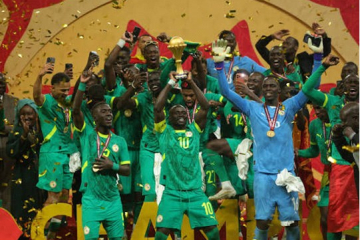
The last three AFCON tournaments were organised without major setbacks, with Morocco 2025, the 34th edition of the competition, set a benchmark by delivering one of the best-organised tournaments on the continent, boasting world-class facilities that rival any global competition.
AFCON strengthens administrative capacity across the continent.
The tournament organisation exposes football administrators to high standards of planning, governance and event management.
Each edition improves institutional knowledge and operational competence within member associations.
Reducing the tournament’s frequency limits these learning opportunities and slows administrative development.
Competitively, the biennial AFCON positively influences the FIFA rankings of African nations.
Regular qualifiers and tournament matches provide more competitive fixtures, which are crucial for improving rankings and global standing.
The four-year cycle reduces high-level competitive opportunities and risks diminishing Africa’s presence on the international football stage.
AFCON has consistently proven that it can be organised successfully, competitively and professionally on a two-year cycle.
Rather than altering its identity, CAF should focus on improving calendar coordination, commercial growth and long-term planning while preserving the tournament’s historic rhythm.
Protecting AFCON’s biennial format is about safeguarding Africa’s football heritage, sustaining economic and professional opportunities and ensuring continuous growth for players, administrators and journalists alike.
In this case, preservation is not resistance to progress. It is a commitment to what has worked for Africa for generations.