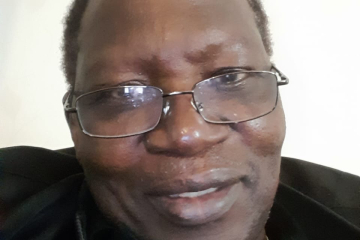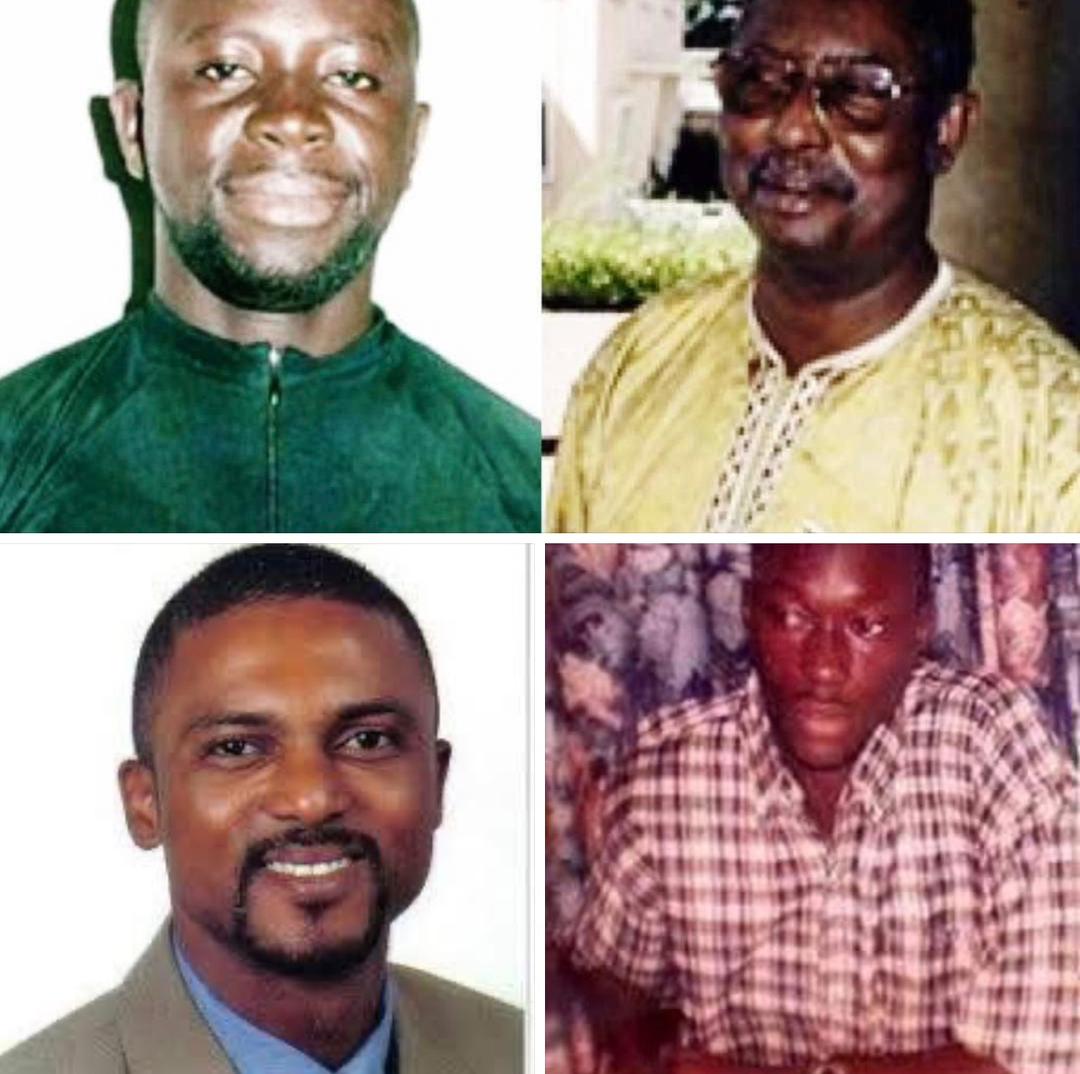
Fatoumatta: A call to memory, a call to conscience. Men gave their bodies, their breath, and their lives. This is a reminder to honor them completely, truthfully, and without distortion. A country that forgets its martyrs is a country preparing to betray them again. At this critical juncture, Gambian journalism must confront its complicity in forgetting. Silence now equals betrayal of those whose sacrifices created our freedoms. In today’s noise, let us not allow the courageous dead to fade into dangerous quiet.
We must repeat, unapologetically, that Gambian journalism’s relative openness was not accidental or the result of any ruler’s generosity. It came through wounds, disappearances, funerals, and the unmarked graves of men armed only with notebooks, pens, and the belief that truth is a duty.
Yet today, a troubling silence hangs over the fraternity. A silence that feels less like ignorance and more like betrayal. A silence that suggests that some have succumbed to amnesia, while others have chosen the easier path of indifference. How else can one explain the selective memory that erases the names of those whose blood was bathed in the struggle for press freedom in this country? We speak of press freedom today as if it were inherited. We debate media regulation as if it were abstract. We posture as activists, commentators, and “pen pushers” as if the road were paved with applause. But the truth is harsher: the road was paved with blood. And among the first to bleed were Abdul Savage, Omar Barrow, Chief Ebrima Manneh, and Deyda Hydara, names that should be carved into the conscience of every Gambian journalist, yet are too often left to gather dust in the margins of our national memory.
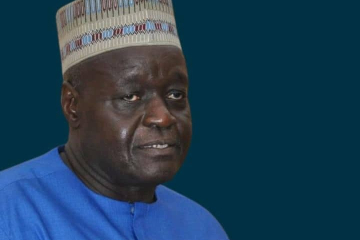
Abdul Savage: The first blow against the free press. In 1994, barely months into the military takeover, journalist Abdul Savage walked into Yundum Barracks to cover what should have been a routine assignment. He walked out battered, brutalized, and vomiting blood. Soldiers kicked him, stomped him, and beat him with the full arrogance of unchecked power. He became the first victim of the new regime’s war on the press — the first warning shot that truth-telling would be punished, the first reminder that journalism in The Gambia had entered a season of danger. Yet today, his name is rarely spoken. His sacrifice is rarely acknowledged. His pain is rarely remembered.
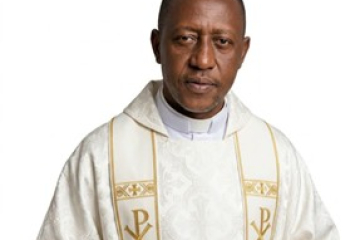
Omar Barrow: The Journalist who died serving. Then came April 10, 2000, the day the nation’s children were gunned down for demanding dignity. Amid the chaos, one journalist stood where journalists always stand: between the people and the truth. Omar Barrow, a reporter for Sud FM and a Red Cross volunteer, was shot at close range inside the Red Cross Headquarters in Kanifing. He was not protesting. He was not provoking. He was helping the wounded, documenting the truth, doing the work that democracy demands.
They wrapped him in the softest, cleanest sheets, white as surrender, white as innocence — sheets he had never known in life. His final dignity came only in death. He was the second casualty of the press under Jammeh, long before Deyda Hydara’s assassination in 2004. Yet today, his name is invoked only in passing, if at all.
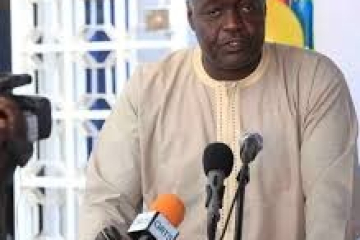
Chief Ebrima Manneh: The Journalist who vanished into the State. In July 2006, journalist Chief Ebrima “Chief” Manneh of the Daily Observer was arrested inside his newsroom by state security agents. He was never seen again. Witnesses reported sightings of him in various detention centers; international human rights bodies demanded answers; the ECOWAS Court ordered his release. The regime denied everything.
But Gambians know. Journalists know. History knows. Chief Manneh had disappeared — swallowed by a state that feared the truth he carried. His fate remains one of the darkest stains on the nation’s conscience, a wound that has never healed because the body was never returned, the truth never confessed, the crime never acknowledged. To forget him is to participate in his disappearance.
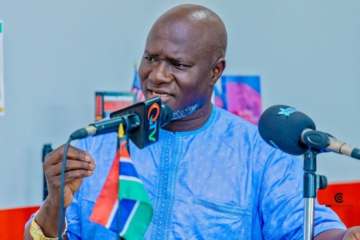
Deyda Hydara: The Conscience They Tried to Silence. On December 16, 2004, the regime crossed a line from which it could never morally return. Deyda Hydara, co-founder of The Point newspaper and one of the most principled voices of Gambian journalism, was assassinated in cold blood. His crime was simple: he refused to bow. He refused to be intimidated. He refused to let fear dictate the truth. His killers believed that bullets could silence a conscience. Instead, they immortalized him. Deyda’s death became the global symbol of Gambian press repression, but even his towering legacy should never eclipse the earlier martyrs whose blood marked the beginning of the struggle.
The sin of forgetting lies at the heart of our national crisis. Forgetting the first martyrs is not an accident; it undermines the very foundation of Gambian journalism and threatens its future.
Perhaps it is easier to praise ourselves than honor those who paid the price. But a profession that forgets its martyrs has no moral authority. A nation that forgets its truth tellers is doomed to repeat its lies.
The distorters and the pretenders. Today, the public square is crowded with pretenders, self-proclaimed activists, pen pushers masquerading as journalists, griots of power who rewrite history to flatter the present, revisionists who erase the inconvenient dead. They speak loudly, but they do not speak the truth. They posture boldly, but they do not carry the scars. They claim the mantle of journalism, but they do not honor its fallen.
How did we reach the point where our first martyrs are so easily forgotten? We must restore them to the center of our narrative, because only in honoring them can Gambian journalism reclaim its authority and purpose. A nation that forgets its truth tellers is destined to repeat its lies.
Restoring the names, restoring the honor. Let it be said clearly, without hesitation. Abdul Savage was the first journalist brutalized under the Jammeh regime. Omar Barrow was the first journalist killed under the Jammeh regime. Chief Ebrima Manneh was disappeared and killed by the state in 2006. Deyda Hydara was assassinated for defending the truth. All four were victims of a state that feared truth. All four deserve to be remembered with reverence. All four belong in the front lines of our national memory. Their stories are not footnotes. Their sacrifices are not optional. Their names are not negotiable.
If Gambian journalism is to regain its true voice, it must start with honoring its martyrs. Only by elevating their stories can the profession speak with moral force and build a future rooted in real freedom. Their names must be our rallying cry against betrayal and erasure.
This reflection honors the guardians of our collective conscience, colleagues, elders, and truth‑keepers who refuse to let memory fade. Take up the responsibility to keep their stories alive and share them widely. Actively prevent distortion or erasure of their sacrifices by speaking, writing, and advocating in their names. May the fraternity never again allow silence to swallow its own history.
Fatoumatta: May the names of our fallen not drift like dry leaves in the harmattan wind. May their memories stand firm like the baobab unshaken, unforgotten. May their courage light the path for those who hold the pen today. And may The Gambia learn, at last, that truth buried is truth reborn. Let us honor their memory by sharing their stories and seeking justice, for people who lose their peace must never lose their memory.