The ‘backway’ is not a symbol of courage, nor is it proof that life in The Gambia is hopeless. It is a national tragedy that continues to claim the lives and dignity of young Gambians, and it must never be justified under any circumstance. The painful truth is that many who defend or explain away the backway would never encourage their own children, siblings, or loved ones to take that same journey. This hypocrisy alone exposes how dangerous and unacceptable the backway truly is.
One of the major drivers of the backway is family pressure. In many homes, young people are burdened with unrealistic expectations to “make it” abroad and send money back, even if it costs them their lives. Migration is no longer a choice for some youths; it is a demand placed on them by desperation, comparison, and survival instincts within families. This pressure pushes young people into decisions they are not emotionally, mentally, or physically prepared for.
Another disturbing factor is the way some political voices justify the backway by pointing to national challenges. While it is true that The Gambia is an underdeveloped country with economic difficulties, using these realities to excuse illegal migration is reckless and irresponsible. No serious leader would encourage their immediate family to risk death in the desert or the Mediterranean. Just like it did to Europeans we are running to, challenges should motivate reform, innovation, and hard work; not surrender and flight.
The diaspora community also has a moral responsibility. Many young Gambians are misled by glamorous photos and success stories shared online, images that hide the harsh realities of life abroad. These pictures do not show the 16-hour workdays, the freezing weather, the racism, the loneliness, or the reality of juggling three or four jobs just to survive. Silence or selective storytelling is costing young people their futures.
Equally troubling is the role of some media platforms, which unintentionally make the backway look achievable or appealing by highlighting boats that “successfully arrived” in Europe. For every boat that arrives, many more disappear at sea. Reporting success without context fuels false hope and encourages more youths to take fatal risks.
The backway is also a grave human rights issue. Children who cannot give consent are taken on this journey by adults, violating their fundamental rights. Women have reported rape, abuse, and extreme dehumanization along the route. These are not isolated stories they are repeated realities. No political argument can justify this level of suffering.
While many are quick to blame the government alone, we must be honest: other countries face similar or worse challenges, yet their citizens stayed, innovated, built businesses, and transformed their economies through technology, creativity, and enterprise. That is why people now migrate to those countries.
The Gambia is an underdeveloped country, this is a fact, not a failure. Development is a process, and it requires patience, innovation, responsibility, and collective effort. We must believe in our ability as Gambians to create opportunities here, opportunities that can employ not just ourselves but others as well.
This is where the private sector must step up, by investing in youth-led businesses, skills training, technology, agriculture, and creative industries. National development cannot be achieved by government alone; it requires partnership, trust, and shared responsibility.
Ending the backway crisis requires collective responsibility from all levels of society. At the family level, parents and guardians must stop placing pressure on young people to migrate at all costs. Life must be valued above remittances. We must stop depending too heavily on one person in the family due to a sense of entitlement that they should provide for everyone. Instead, families should look for ways to share responsibility and reduce dependence on a single or a few individuals.
Additionally, encouraging children to risk death in deserts and oceans is not sacrifice; it is neglect. Families should instead support skills training, entrepreneurship, and local opportunities, even when progress is slow.
At the opposition party level, political leaders must act responsibly. Criticism of government is necessary, but justifying illegal migration by highlighting challenges without offering solutions is dangerous. No political actor should normalise the backway or indirectly encourage it for political gain. Constructive alternatives, not despair-driven narratives, must be promoted.
At the government level, continued investment in youth skills, education, entrepreneurship, and job creation must remain a priority, alongside clear communication so young people know what opportunities exist and how to access them. The government should embark on intensive sensitisation efforts in collaboration with survivors, civil society organisations, political parties, and the private sector.
Too many young Gambians believe that the only path to success lies beyond our borders but is that really true? Why do we assume that opportunities don’t exist here at home? Young people themselves must reject the myth that success only exists abroad. How can we expect to find jobs overseas when they are scarce everywhere? Instead, we need to focus on improving our employability through skills acquisition and innovation. If every youth waits passively for opportunities, who will create them?
Finally, the security sector must dismantle trafficking networks and protect vulnerable women and children through firm but humane enforcement. Saving Gambian lives must remain the shared national goal.
The ‘backway’ is a national tragedy we must stop justifying
A
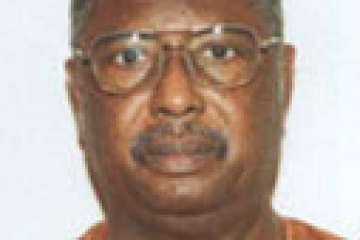
Alhassan Drammeh, Final Year, MSc Diplomacy and International Relations, UTG
The Point
Jan 7, 2026, 11:30 AM
5 min read
Updated Jan 7, 2026

Alhassan Drammeh
Read Other Articles

Africa CEO Forum 2026: Africa must scale or risk falling behind
Jun 24, 2026
A tribute to the late Ya Sarah Goddard Joof
Sep 22, 2026
The Gambia Must Press the RESET BUTTON to Fast-Track Its Economic Growth Agenda
Oct 2, 2026
EFSCRJ calls on political coalitions to publish their agreements
Aug 28, 2026