The event opened with a comprehensive presentation of the WHO guidelines, adopted at the 3rd Conference of the Parties (COP3) in November 2008. These guidelines empower governments to shield public health policies from the tobacco industry’s manipulative tactics, urging a whole‑of‑government strategy that engages every ministry and state agency not just the Ministry of Health in safeguarding citizens from tobacco’s harmful effects.
Key speakers at the symposium included Omar Conteh, Program Coordinator at RAID Gambia, who warned that the tobacco industry’s tactics to undermine tobacco control are a major concern.
‘‘We need to ensure our government prioritizes public health over industry interests.”
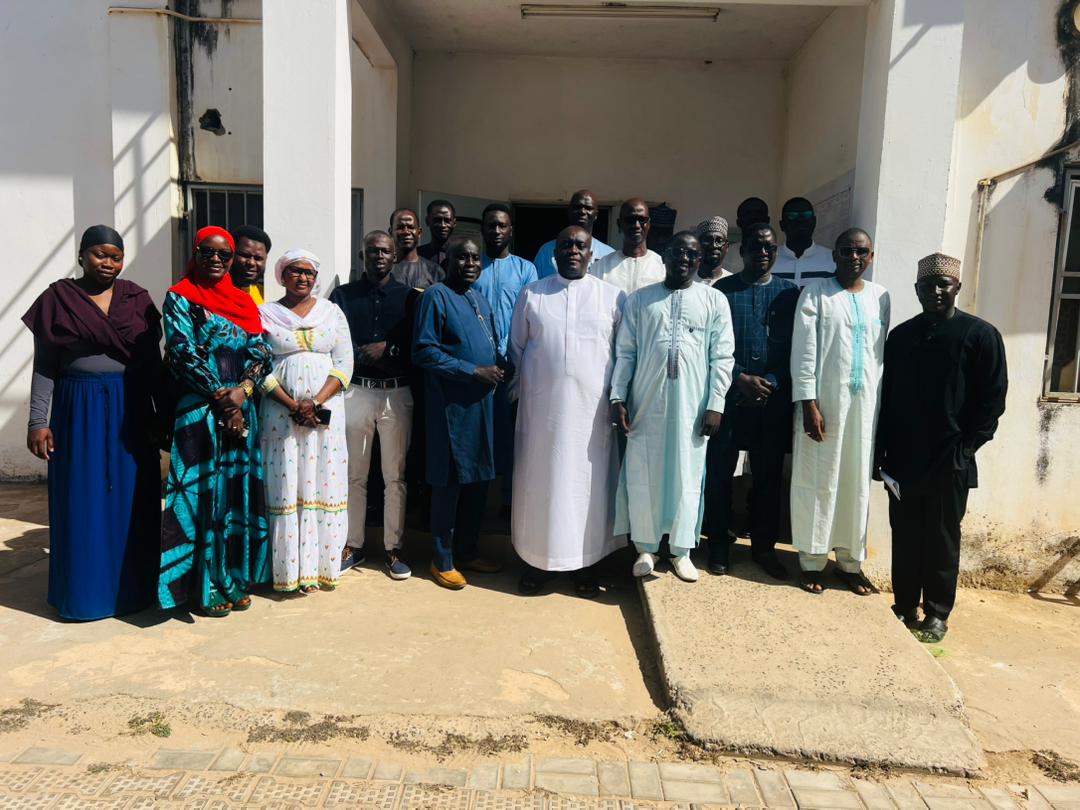
Stakeholders at the meeting including representatives from RAID Gambia, government ministries, civil society organisations and international health partners, asserted that implementing the WHO guidelines will significantly strengthen The Gambia’s stance against tobacco industry interference.
They anticipate improved enforcement of Article 5.3, leading to a measurable reduction in tobacco use and better protection of public health for current and future generations.
Michael Mendy, Director of Health Promotion and Education, who is also chairman of the Tobacco Control Committee, acknowledged that the country has made progress in tobacco control, but more needs to be done to address industry interference and to domesticate the FCTC fully.
The symposium also explored practical steps for domesticating the guidelines, such as drafting interagency agreements, training public officials to recognise industry tactics, and establishing monitoring mechanisms to ensure compliance with the whole government approach.
At the event, experts urged civil society to continue playing a watchdog role, advocating for transparency and accountability in all government dealings with the tobacco sector.
Dr. Ifeanyi Livirus Udenweze, from the WHO Country Office, highlighted the practical impact of the guidelines, further expressing hope that after this meeting, everyone will take at least one action to implement the guidelines and reduce tobacco use in The Gambia.
He stressed the importance of using the best available evidence to expose industry interference tactics.
Moreover, the discussions highlighted how the WHO recommendations reinforce the need for clear codes of conduct and stringent policies that insulate The Gambia’s tobacco control initiatives from commercial interests.
Participants noted that aligning these measures with the existing Tobacco Control Act 2016 and the WHO Framework Convention on Tobacco Control (FCTC) would create a unified legal and operational shield against industry influence.
After the event, organisers announced plans to develop a national action plan that integrates the WHO Article 5.3 guidelines into existing tobacco control legislation, aiming to make The Gambia a model for effective, industry free public health policymaking in Africa.