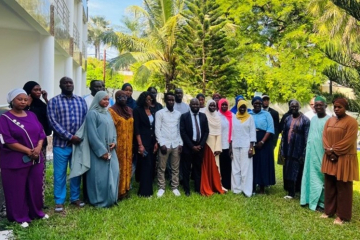
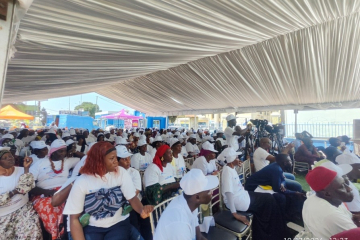
This engagement forms part of the Government’s ongoing land sector reforms aimed at strengthening land governance, modernising land administration systems, and improving coordination within the broader local governance and development framework to promote economic growth and reduce poverty.
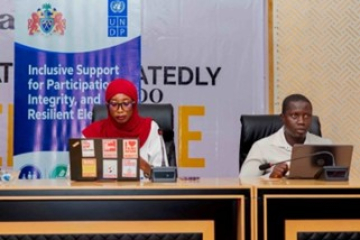
Opening the session, Permanent Secretary (Technical) Ebrima Sissawo stressed that land is more than a resource, describing it as intrinsically linked to identity, livelihoods, culture, security and national development. He highlighted the critical role of the Communication Strategy in ensuring the successful implementation of the National Land Policy, particularly as Government works to modernise land governance, align legal frameworks with the Local Government Act, and enhance transparency through the review of existing land laws.
“Land is one of the most sensitive issues in our country. Effective communication will not eliminate disputes completely, but it will significantly reduce them,” he noted, pointing out that approximately 75 per cent of court cases in The Gambia are land-related.
Communication Strategy Consultant Ms Fatim Badjie underscored the importance of effective public engagement, describing communication as the bridge between policy and citizens. She called for a clear, inclusive, and consistent approach to ensure broad public understanding and acceptance.
Secretary General of the Real Estate Association, Hatab Darboe, also stressed the need for accessible and inclusive communication, noting that land issues affect people across all age groups and sectors. He emphasised that messaging must be simple, clear, and easily understood to ensure no one is left behind.
Representing traditional authorities, Chief Falalou M. Touray of Kombo South welcomed the strategy as both timely and essential for enhancing public understanding of land tenure systems and acquisition processes. He further called for the active involvement of traditional leaders as key partners in implementation.
Providing an overview of the Real Estate Agents Bill, Kissima Bittaye, Principal Legislative Draftsperson at the Attorney General’s Chambers and Ministry of Justice, highlighted the Bill’s significance in promoting stronger regulation, transparency, and accountability within The Gambia’s rapidly growing real estate sector.
The Ministry reaffirmed its commitment to advancing land reforms that foster peace, reduce disputes, strengthen governance, and support sustainable national development.