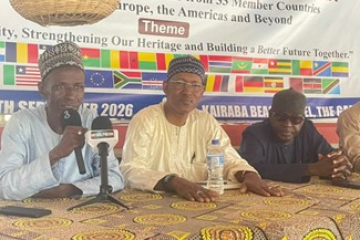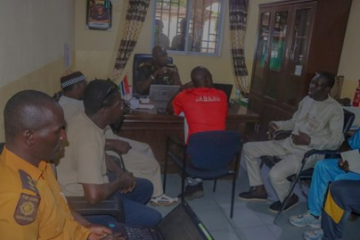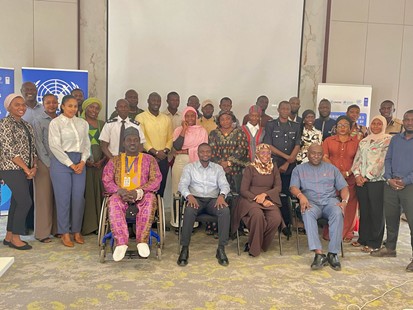
The two-day high-level forum, held at the African Princess Beach Hotel, brought together broadcasters, security officials and media practitioners from across the country, signalling a renewed focus on citizen engagement in The Gambia’s post-2017 reform agenda.
At the heart of the initiative is a growing recognition that community radio especially in rural Gambia remains the most trusted and accessible source of information, capable of shaping public understanding of complex national processes such as Security Sector Reform (SSR).
Opening the forum on behalf of the National Security Adviser, Abdoulie Saho stressed that security reforms cannot succeed without an informed and engaged citizenry.
“Community radios are among the most trusted voices in our nation,” he said, noting that the training is designed to equip broadcasters with the skills to report accurately on security issues while combating the spread of misinformation.
He emphasised that SSR is not only about restructuring institutions but about building a transparent, accountable and people-centred security system where citizens play an active role.
Representing the UNDP Resident Representative, Thomas Kimaru described the initiative as a critical step toward strengthening inclusive security governance.
He noted that community media have a unique ability to translate complex security policies into simple, relatable messages, helping citizens better understand their rights and responsibilities.
“Community radios serve as a vital bridge between grassroots communities and local security institutions,” he stated, reaffirming UNDP’s commitment to supporting The Gambia’s reform process in collaboration with partners such as the United Nations Office on Drugs and Crime.
Also speaking, Lamin Sanneh of the Network of Community Radio described the training as timely, stressing that improved knowledge of SSR among broadcasters will enhance reporting, reduce misinformation and build trust between citizens and security institutions.
“When community radio practitioners are well-informed, they become powerful agents of awareness and positive change,” he said.
For her part, Isatou Keita of the Gambia Press Union framed the training as a national necessity, urging journalists to see security reform as a public conversation rather than a technical exercise.
“To reach the farmer in Basse, the fisherman in Gunjur, or the market woman in Farafenni, the message must travel through community radio,” she said, highlighting the medium’s unmatched reach.
She acknowledged past tensions between the media and security institutions but expressed optimism that such engagements would foster mutual trust and improve professional reporting.
As The Gambia continues its transition, the message from stakeholders is clear: empowering community radios is not just about information it is about strengthening democracy, accountability and national security from the ground up.