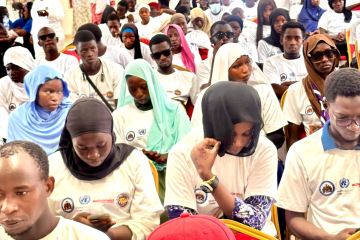
Bringing together key stakeholders, researchers, policymakers and farmer representatives from across the country, the gathering signals a renewed national push to strengthen agricultural research and position it at the heart of development.
The workshop, which opened on 30th March 2026, is aimed at shaping a new strategic direction for NARI—one that aligns with the country’s growing need for sustainable food systems, climate resilience and improved agricultural productivity.
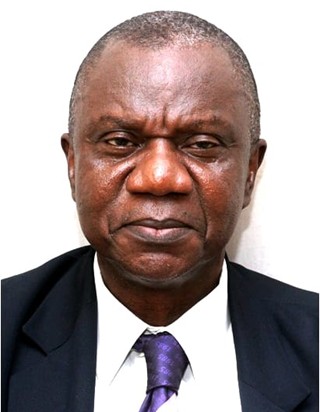
In his welcome remarks, NARI’s Deputy Director General, Dr Demba Tarawally
underscored the urgency of forward planning in an era of evolving agricultural challenges.
He stressed that a comprehensive and well-structured strategic plan is not just a policy document, but a roadmap that will define the institution’s relevance and impact in the years ahead.
“This process is critical in ensuring that NARI remains responsive, innovative and capable of addressing the needs of farmers and the nation,”he noted.
The workshop comes at a time when The Gambia, like many countries in the region, is grappling with the dual pressures of climate change and food insecurity making research-driven solutions more important than ever.
Highlighting the importance of collaboration, Paul Mendy, representing the Central Project Coordinating Unit of the Ministry of Agriculture and the GIRAV project, stressed that partnerships will be key to the successful implementation of NARI’s mandate.
He pointed out that no single institution can address the complexities of agricultural transformation alone, calling for stronger coordination between government agencies, development partners and farming communities.
“Partnership is not optional; it is essential,” he said, adding that collective efforts are needed to translate research into real impact on the ground.
In his opening statement, Dr Ernest Aubee, Chairman of NARI Board of Directors, placed agricultural research at the centre of the country’s development agenda.
He highlighted that achieving national food and nutrition security depends heavily on the strength and effectiveness of institutions like NARI.
“Agricultural research is the backbone of food security,” he said. “Without it, we cannot sustainably feed our population or respond to emerging challenges.”
Dr. Aubee acknowledged the institute’s progress over the years, while also pointing to existing challenges that must be addressed to unlock its full potential. He spoke of the need to transform NARI into a more vibrant, responsive and impactful institution capable of driving innovation across the agricultural sector.
He also expressed appreciation to the government and development partners for their continued support, noting that such backing remains vital for the institute’s growth and sustainability.
The workshop further benefited from the presence of veteran researchers, whose experience and institutional memory are expected to enrich discussions and guide the strategic planning process.
Delivering the vote of thanks, Musa Sowe, National Coordinator of the Farmers Platform, commended NARI for taking a participatory approach in shaping its future.
He emphasised that farmers, as primary beneficiaries of agricultural research, must remain at the centre of all interventions.
As deliberations continue, expectations are high that the outcomes of the workshop would produce a bold, actionable and inclusive strategic plan; one that not only strengthens NARI but also contributes meaningfully to national development.