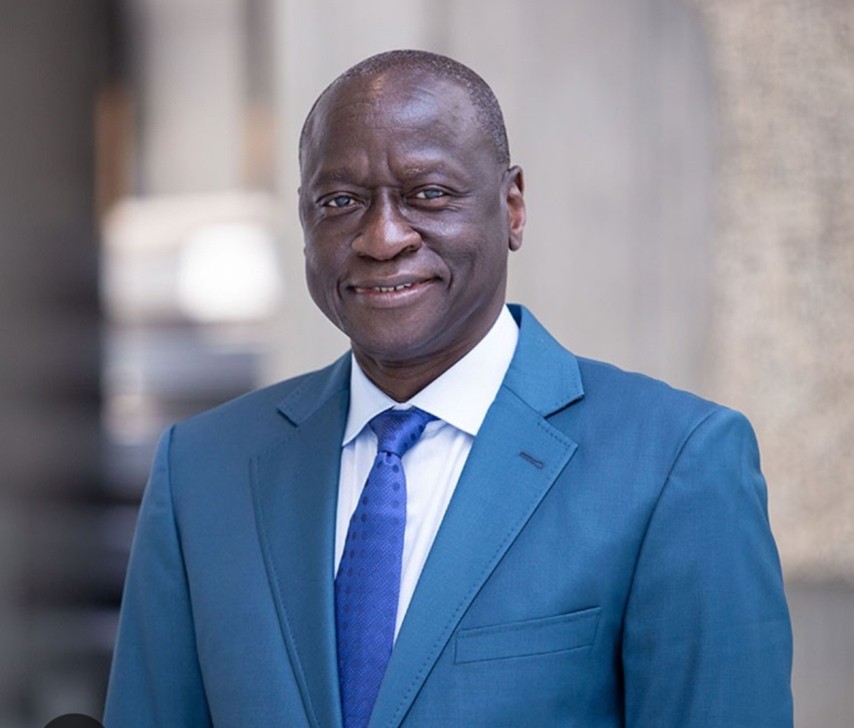
World Bank Vice President for Western and Central Africa, Ousmane Diagana, has revealed that the institution’s financing commitment to The Gambia has surged from less than US$300 million to almost US$900 million.
Speaking in a side interview on the margins of the African Caucus 2026 in Banjul, Diagana outlined the Bank’s growing support for The Gambia and the wider West and Central Africa region.
He noted that since the COVID‑19 pandemic, Africa has faced additional challenges from the war in Ukraine and the Middle East crisis, which have deepened financing gaps, particularly in infrastructure. “The continent has a growing population and a huge financing gap, especially in areas like infrastructure,” he said.
Diagana explained that the World Bank had taken key decisions during the pandemic to help countries manage debt, including measures on debt service, technical assistance, and increased concessional financing. “We had almost doubled our net commitment for all countries, including The Gambia,” he said, adding that the Bank had accelerated replenishment of its International Development Association (IDA) window to provide faster access to concessional funds.
“When I started this job as Vice President, the total net commitment I managed was $35 billion. Today, it is close to $60 billion. For a country like Gambia, we started with less than $300 million. Today, we are close to $900 million,” Diagana said.
He praised The Gambia’s progress in domestic resource mobilisation, noting that the Bank has launched a 10‑year regional programme to support countries with less than 15% of GDP in domestic resource mobilisation.
On investment and job creation, Diagana said the Bank is mobilising concessional financing, helping countries raise domestic resources, and using public funds to attract private sector investment. “Private sector resources are critical to finance development and create jobs,” he stressed.
He highlighted the Bank’s support for infrastructure such as roads, energy and digital development, as well as education, vocational training and access to finance. The Bank also backs entrepreneurs, including young people, through incubators and matching grants.
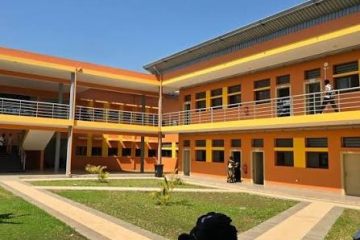
Reflecting on his visit to The Gambia, Diagana said he was impressed by Banjul’s development. “I saw this wonderful new road, new building. I enjoyed the time last night in Kombo Beach. The beach was excellent, the food in the restaurant amazing. This is a country on the move,” he said.
He commended The Gambia’s stability and peace in a region troubled by insecurity and conflict, stressing that reforms must continue despite being difficult and costly.
On climate change, Diagana said The Gambia is particularly vulnerable and highlighted the Bank’s Country Climate Development Report, which informs policy and investment in agriculture and infrastructure. He also pointed to the West Africa Coastal Areas (WACA) programme, which helps mitigate coastal erosion.
“The Gambia’s economy needs to build on its potential in agriculture. Smart agriculture is extremely important,” he said.
World Bank officials Franklin Mutahakana, Resident Representative in The Gambia, and Djibrilla A. Issa, Division Director for Senegal, Mauritania, The Gambia, Cabo Verde and Guinea‑Bissau, added that while the government implements World Bank programmes, the ultimate beneficiaries are citizens. They emphasised that stakeholder engagement and monitoring ensure programmes reach intended communities.