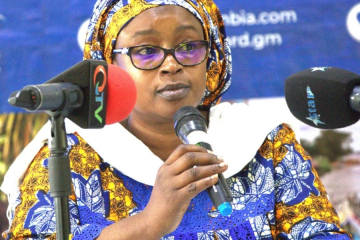
In a press release issued in response to the March 26 address, the movement said while the president spoke of a country on the right track, feedback gathered during its nationwide consultations tells a different story. According to the group, conversations in homes, communities and workplaces reveal deep concerns about the direction of the country, especially as it enters an election year.
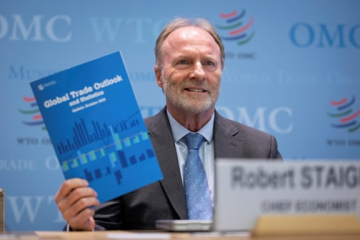
The president highlighted a stable dalasi and 5.9 per cent GDP growth. However, the movement countered that for many Gambians, the cost of living continues to rise, and the dalasi has not been stable in practical terms. It added that the economy remains heavily reliant on loans that will weigh on future generations, while many citizens struggle to afford basic necessities.
On youth and employment, the movement pointed to the absence of the 150,000 jobs promised in 2023 from this year’s address. It said young people continue to risk their lives through irregular migration, with many perishing at sea, describing the situation as a national crisis requiring urgent and collective action.
The group also criticised the government’s stance on the Diaspora. While acknowledging the president’s praise for nearly one billion dollars in remittances, it stressed that Gambians abroad are still denied the right to vote.
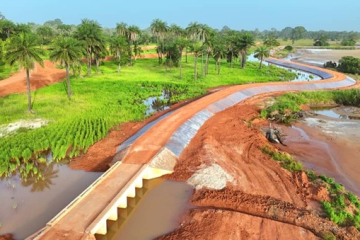
On agriculture, the movement argued that increased food production alone is not enough. It called for sustainable mechanisation and broader reforms, warning that dependence undermines true self-sufficiency and national sovereignty.
Security claims were also challenged. Although the president described The Gambia as the safest country in West Africa, the movement said many citizens still feel unsafe due to crime and limited access to justice. It further noted the absence of discussion on border security as a serious concern.
On governance, the movement said public trust in institutions is declining, with key reforms such as constitutional change, security sector reform and transitional justice still incomplete. It also questioned the government’s commitment to tackling corruption, citing the lack of a credible strategy.
The statement further highlighted challenges in the health sector, noting disparities between officials seeking treatment abroad and the conditions ordinary citizens face.
The movement concluded that Gambians deserve tangible results, not selective accounts of progress, and pledged to continue holding those in power accountable.