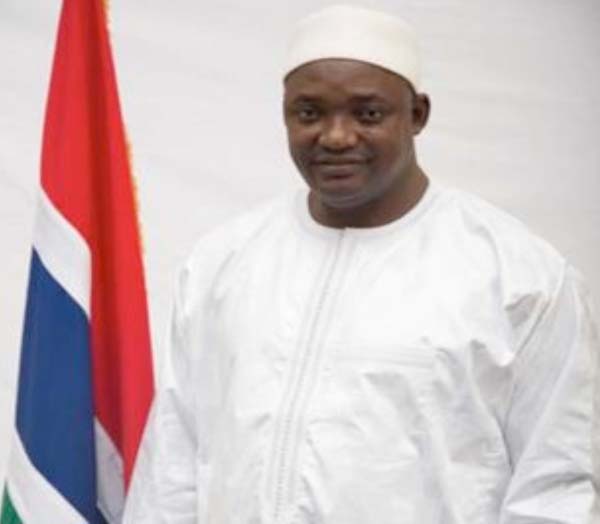
“Today’s event marks another affirmation of The Gambia’s credibility, clarity of vision, and national direction,” the President said, adding that the country must now translate its peace, hospitality, and social cohesion into sustained economic transformation through productive investment and quality job creation.
The Temple Tree Hospitality Development is a mixed-use tourism and lifestyle project integrating hotels, residences, tourism services, retail outlets, wellness facilities, training institutions, and community infrastructure. According to President Barrow, the project is designed to establish a year-round tourism destination and set a new benchmark for tourism development in the country.
He revealed that the project is expected to contribute more than US$200 million in foreign exchange value over time, with an estimated US$50 million in annual tourism and destination spending once fully operational. Its phased and modular design, he noted, will allow early economic benefits while ensuring sustainability and risk management.
Beyond revenue generation, President Barrow emphasised the project’s significant employment impact. During the construction phase alone, the development is projected to create between 500 and 1,500 direct jobs within the first 24 months, alongside thousands of indirect jobs across the supply chain. When completed, the project is expected to sustain 1,500 permanent direct jobs and about 4,000 indirect jobs nationwide.
A key pillar of the initiative is human capital development. The President highlighted plans to establish the Tanji Hospitality and Tourism Academy, which will offer international-standard training for Gambian youths, equipping them with skills required for a modern and competitive hospitality industry.
“We want to ensure that jobs created today become careers, enterprises, and opportunities tomorrow,” President Barrow stated.
He further noted that the project would stimulate demand for local suppliers in sectors such as fisheries, agriculture, transport, and construction, while also strengthening The Gambia’s international visibility and investor confidence.
Strategically, President Barrow said the development would help reposition Gambian tourism globally by linking the sector to international capital markets. Temple Tree’s global networks across Europe, the Middle East, and Africa covering hotel operations, tour operators, aviation, and travel technology are expected to enhance access to key tourism source markets and support efforts to reduce seasonal fluctuations.
Nationally, the President said the project could increase The Gambia’s hosting capacity to approximately 200,000 visitors annually, helping deepen tourism quality, increase value, and ensure benefits are more widely shared.
President Barrow expressed gratitude to the Temple Tree investors and their Gambian partners for their confidence in the country. he described the scale of the investment as a bold demonstration of trust and long-term commitment.
“My government welcomes this partnership and recognises the responsibility it brings,” he declared, reaffirming The Gambia’s commitment to attracting responsible investments that deliver lasting value.
He concluded by reiterating The Gambia’s message to the global community: “The Gambia is open to the world to investment, partnership, and a future built on trust, stability, and mutual respect.”