Held under the theme: “Accelerating Representation, Safeguarding and Strengthening Women’s Rights,” the high-level gathering comes at a critical moment for The Gambia as the country continues to grapple with gender inequality in political leadership and decision-making.
Despite women making up more than half of the population, they occupy just 8.6 percent of seats in the National Assembly, a gap that participants described as a serious barrier to inclusive governance and sustainable development.
Stakeholders at the conference emphasised that the limited representation of women in parliament and other decision-making bodies has tangible consequences for women and girls across the country, including weak enforcement of laws meant to protect them, policy blind spots in key sectors such as maternal health and education, and the continued exclusion of women’s voices from decisions shaping their communities.
Rohey Malick Lowe, Mayor of Banjul and REFELA Gambia Chapter President, opened the conference, highlighting the need to address the gender parity gap and increase women's role in national policy-making. "The gender parity gap remains very wide," she said, calling for stronger commitment from policymakers.
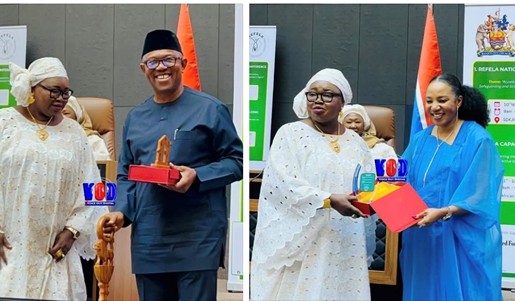
The conference featured regional and international leaders, including Peter Obi, Fatoumatta Jallow-Tambajang, and Abigail Marshall Katung, Lord Mayor of Leeds. Katung praised Mayor Lowe's commitment to women's empowerment, citing her appeal to sponsor three Gambian girls' education.
The 2026 SHE Activist Award was presented to Fatoumatta Sanneh, who highlighted gaps in implementing women's rights laws. She noted that progressive laws exist, but rural women often remain unaware of their rights or can't access justice.
Speakers emphasised the importance of women's leadership, peace, and democratic institutions. Peter Obi praised The Gambia's relative peace and stability, stressing women's central role in development.
The conference continues with a capacity-building session, aiming to strengthen women's leadership skills and governance capacity. Organisers say it is a significant step in advancing women's participation in leadership and shaping The Gambia's democratic future.