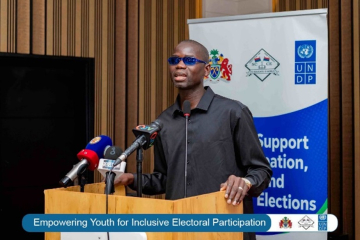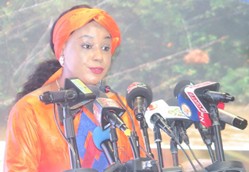
Delivering the keynote address on behalf of the Minister for Information, Media and Broadcasting Services, Permanent Secretary Cordu L. Jabang described the documents as a milestone in the evolution of journalism in The Gambia. She said their launch reflects the media’s willingness to look inward and address internal challenges relating to ethics, professionalism and workplace safety.
“For a long time, discussions around media development focused largely on government action or inaction,” Mrs Jabang said. “Today marks a shift. The press itself has taken responsibility for setting and enforcing professional standards, which is the right approach.”
She noted that professionalism cannot be dictated from outside the profession, adding that while the state sets the broader legal framework, it is the responsibility of practitioners, through the GPU, to champion ethical conduct and accountability.
Mrs. Jabang singled out the Workplace Sexual Harassment Policy as particularly significant, saying issues of harassment and public complaints are often treated as taboos within newsrooms. She praised the Press Union for taking concrete steps to ensure that media houses are safe working environments, especially for female journalists.
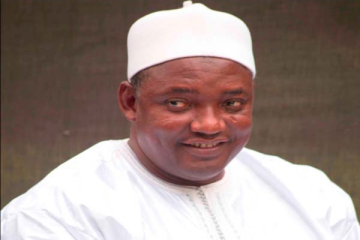
The Permanent Secretary reaffirmed the government’s support for media self-improvement, stressing that the administration of President Adama Barrow views the media as a key partner in national development. She cited initiatives such as the State House media dinner as evidence of efforts to improve relations and dialogue between the executive and the press.
She also expressed appreciation to International IDEA, the European Union, and local experts for supporting the drafting and validation of the policies, while urging strict implementation to avoid the documents becoming “mere paperwork.”
“For media freedom to be effective, both the state and practitioners must play their respective roles,” She said.
With the launch of the three policies, Mrs Jabang said the Gambian press is now better positioned to complement government efforts in building a safe, ethical and free media landscape, a process he noted has been ongoing since 2017.