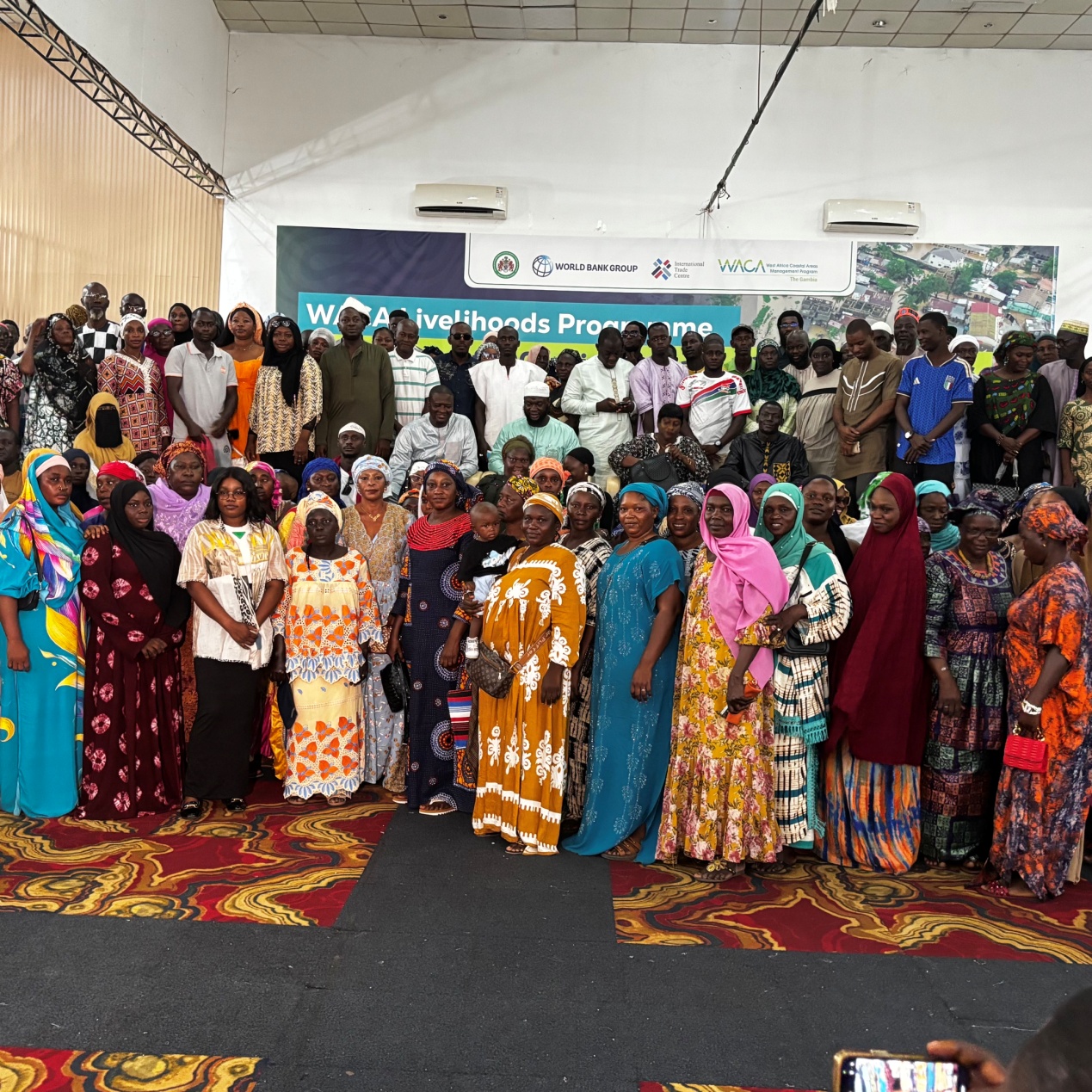
The International Trade Centre (ITC), in partnership with the Ministry of Environment, Climate Change and Natural Resources (MECCNAR), has onboarded 700 individuals and 20 women’s groups under the first phase of the WACA Livelihoods Programme, designed to strengthen livelihoods and resilience among vulnerable communities along the Kotu Stream.
The programme forms part of the World Bank-funded WACA Resilience Investment Project II (WACA ResIP II), which seeks to strengthen coastal communities through disaster risk management, climate-resilient infrastructure and social investments.
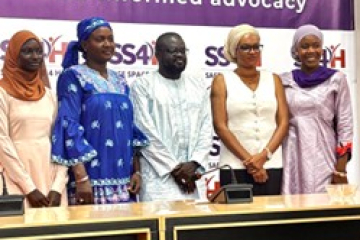
The onboarding ceremony brought together government officials, project representatives, beneficiaries, community leaders and development partners to outline the programme’s objectives and the support beneficiaries will receive.
Under the first phase, 400 individuals will receive business advisory support and grants, while 150 will benefit from entrepreneurship training and grants. Another 150 beneficiaries will receive livelihoods training and grants. In addition, 20 women’s groups will receive business advisory support and grants to strengthen their enterprises.
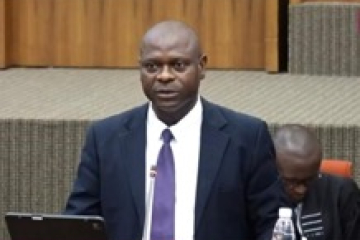
Speaking at the ceremony, Suwaibou Cham, MSME Development Consultant at ITC, said more than 5,000 applications were received, demonstrating the strong demand for livelihood and entrepreneurship opportunities.
He said ITC worked with business support organisations and community partners to sensitise communities and facilitate the selection process.
Cham noted that while many applicants could not be selected in the first phase, subsequent phases are expected to provide opportunities for more beneficiaries.
Dr Muhammed Lamin Sanyang, Project Coordinator of WACA ResIP II, said the onboarding marked the beginning of efforts to turn the project’s vision into action.
“Today, we are beginning to turn that vision into action. We are onboarding 700 individuals and 20 women’s groups across the Kotu Stream,” he said.
Dr Sanyang disclosed that more than 100 persons with disabilities were among the beneficiaries, describing their inclusion as an important message about the programme’s commitment to vulnerable groups.
He said flooding along the Kotu Stream frequently disrupts businesses, causes income losses and pushes vulnerable households further into poverty.
The programme will provide beneficiaries with skills development, mentorship, access to finance, agricultural support, enterprise development and opportunities to connect to markets.
He added that more than 2,000 additional beneficiaries are expected to be selected in the second phase, while the wider intervention aims to support at least 4,000 households along the Kotu Stream.
Meanwhile, Aji Saptieu Jaye, Councillor for London Corner Ward, called for an end to illegal dumping along the Kotu Stream, warning that blocked waterways could worsen flooding.
“We should not allow illegal dumping to happen. Let’s report those doing that because, at the end of the day, it will end up blocking the waterway and the water will come back to our houses,” she said.
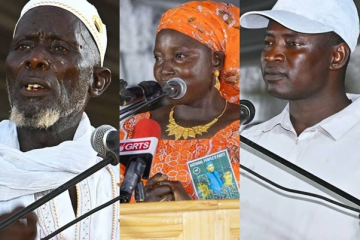
Mohammed Faye, a beneficiary living with a disability, welcomed his inclusion, saying support and opportunities were essential for persons with disabilities to become economically independent.
“As persons with disabilities, what we need is for us to be included and supported so that we can support ourselves as members of society,” he said.
Faye said he had already benefited from training under the programme and hoped to use his skills to create employment for himself and other young people.