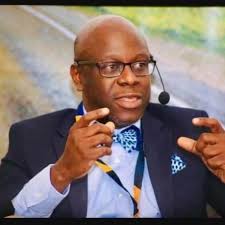
Taal said they were ill-advised, particularly as the matter remains before the courts on appeal. While acknowledging that the president indicated respect for the judiciary, he argued that suggesting guilt in a case already decided by a court - and still under judicial review - was ‘inappropriate’.
“It is only a court of law that can pronounce guilt or innocence,” Taal emphasised, adding that such remarks could be seen as encroaching on the role of the judiciary.
He warned that statements from the executive carry significant weight and can shape public perception, potentially eroding trust in the independence of the courts. For many citizens, he noted, the distinction between the roles of government branches is not always clear, making such comments even more impactful.
Taal urged that the statement be retracted and clarified to protect the integrity of the justice system. He described The Gambia’s judiciary as increasingly independent in recent years, citing past rulings against the government as evidence of progress.
However, he cautioned that both the president’s remarks and the handling of the arrests risk reversing those gains, particularly at a time when the country is navigating a delicate transitional justice process.
He acknowledged the loss of the two servicemen and injuries to another, describing the situation as a national tragedy that demands justice is handled with care and sensitivity.
Taal stressed that the courts alone have the authority to determine guilt or innocence. He explained that the accused individuals in the case were acquitted and discharged by a competent court after due process, with the state exercising its right to appeal. Importantly, he noted that the court also ruled they should not be detained, granting them bail.
He raised concern over their subsequent arrest, describing it as being carried out without a lawful court order and in defiance of an existing ruling. According to him, this strikes at the heart of the rule of law, where liberty can only be restricted through legal authority.
He concluded by calling for restraint from public officials and stronger advisory support around the presidency, stressing that safeguarding the rule of law must remain a national priority.