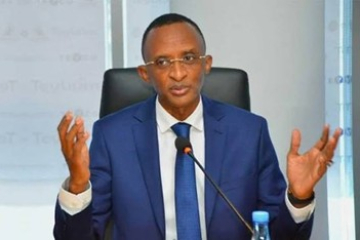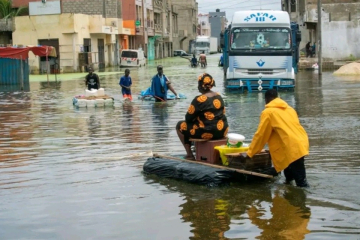
In his response to a recent GAF press release, Gibba, said residents of Foni and beyond have endured nearly nine years of hardship linked to the checkpoint, including numerous accidents, fatalities, destruction of property, and limited access to rice fields. He described the prolonged silence from authorities over the years as deeply concerning.
“The Bwiam Checkpoint is publicly acknowledged to be manned by Senegalese ECOMIG soldiers.”
While recognising that multinational missions may support stabilisation efforts, Gibba stressed that responsibility, transparency, and accountability must remain with national authorities, particularly when a principal checkpoint has operated on a major highway for nearly a decade.
He revealed that a high-level meeting was held on 29 January 2026 involving GAF Operations Commander Col. Yerro, the ECOMIG Operations Commander, Senegalese Military Commanders, the 4th Infantry Commander of Kanilai, National Assembly Members, the Chief of Kansala, councillors, alkalolu and other stakeholders. Agreements were reached to improve safety, but Gibba said citizens were not formally informed of the full details.
Following consultations, speed calming measures, commonly known as ‘sleeping police’, were introduced to replace the wooden barricade. However, Gibba raised concern over the addition of sandbags to each speed bump, saying the new configuration appears combat-ready and is even more dangerous than before. He questioned why these changes were not communicated and warned that failure to restore the agreed arrangement would compel further action.
The GAF High Command, in its statement, said the VCP forms part of a broader national security framework along critical corridors. It maintains that checkpoints are based on rigorous security assessments and inter-agency coordination. After consultations with the Police Mobile Traffic Unit and other stakeholders, a Joint Assessment Team recommended repositioning the VCP and enhancing road signage to reduce accidents while preserving its security function.
While GAF assures the public that deployments remain under continuous review, Gibba insists that protecting lives and upholding professionalism must remain the priority.