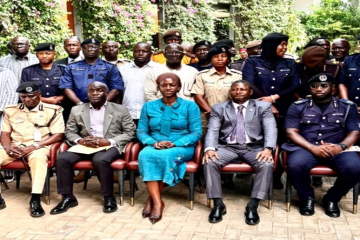
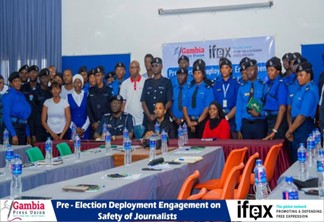
The Gambia Press Union on Wednesday held a pre-election deployment engagement bringing together police officers and journalists to enhance the safety of journalists ahead of the 2026–2027 election cycle.
The engagement brought together 40 police officers and 30 journalists, including reporters, editors, media managers and representatives of journalists’ associations.
Participants discussed media rights and freedoms, the role of police during elections, and practical measures to ensure journalists can work without fear, intimidation or harassment.
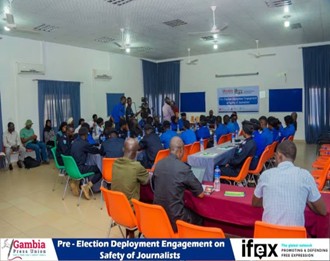 The activity is part of the GPU’s 12-month project, “Enhancing Physical and Digital Safety of Journalists in The Gambia”, launched in January 2026 with support from IFEX, the global network promoting and defending freedom of expression.
It builds on the Union’s experience during the 2021 presidential election, when dialogue with security forces and political parties contributed to a safer environment. No journalist was arrested or detained by the police before, during or immediately after that election, although one photojournalist was assaulted by political party militants.
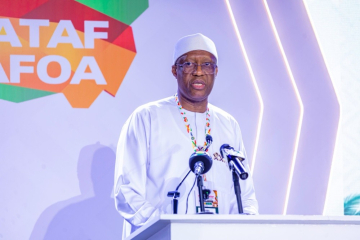
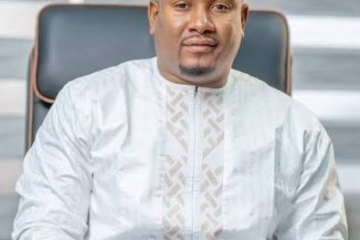
Speaking at the event, Minister of Information, Media and Broadcasting Services Dr Ismaila Ceesay said the police and the media play complementary roles in democracy.
"The role of the police is to protect our democracy and the role of the media is to promote our democracy," he said.
Dr Ceesay said elections invite citizens to debate ideas and make choices about the country’s future, but are also periods of heightened emotions and tension where journalism becomes especially important. He said a free, pluralistic and independent media is a cornerstone of democratic governance and journalists must work without threats or unlawful interference.
Dr Ceesay said media freedom carries responsibilities of accuracy, fairness, verification and respect for ethics, noting that protecting press freedom and promoting responsible journalism reinforce one another.
The Minister cited The Gambia’s ranking at 46th globally in the 2026 World Press Freedom Index, up from 58th, and 8th in Africa, linked to reforms including the Access to Information Act. He urged political actors to respect media professionals and security agencies to ensure proportionate responses and clear access arrangements.
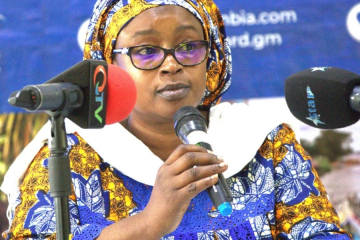
GPU President Isatou Keita said journalists will be deployed alongside police at rallies, polling stations and counting centres, hence the need for shared understanding.
She said journalists still face verbal and physical abuse from political militants, leaders and some security officers, with many untrained and past attacks unresolved. She said journalists must also understand police duties and uphold ethics.
"To our colleagues, the police, a journalist with a camera or a notebook is not your opponent. They are doing a job that gives the public the information it needs to vote," she said.
Representative of the Inspector General of Police, Commissioner Famara Jobarteh, said the safety of journalists is essential to an informed public and the police recognise their responsibility to protect them.
He said officers must treat media practitioners professionally, communicate restrictions clearly and act impartially while maintaining public order, adding that any restrictions must be lawful, necessary and appropriate.
Both institutions said success should be measured by practical improvements on the ground during the December 5 presidential election.