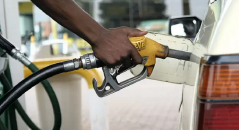
According to government, if global price increases were fully transferred to consumers, petrol would retail at D101.29 per litre, a 22.78 percent increase, while diesel would soar to D124.72 per litre, representing a staggering 47.43 percent hike.
However, in an effort to ease the burden on the public, the government has set pump prices at D98.00 per litre for petrol and D95.00 per litre for diesel, effectively absorbing a substantial portion of the increases.
This intervention translates into subsidies of D3.29 per litre on petrol and a significantly higher D29.72 per litre on diesel, reflecting the heavier global price pressure on diesel products.
Officials say the total subsidy for April alone stands at D316,146,722.52, underscoring what the government describes as its commitment to protecting livelihoods and maintaining economic stability during a period of global uncertainty.
In a statement, government indicated that the measures are part of broader efforts to stabilise the energy sector while ensuring uninterrupted fuel supply across the country.
“The Government, through the Ministry of Petroleum, Energy and Mines, will continue to work closely with Oil Marketing Companies and other stakeholders to ensure steady supply and responsible pricing,” the statement noted.
Authorities further assured that global developments would be closely monitored, with additional interventions expected if market volatility persists.
The latest development highlights the growing impact of international geopolitical tensions on The Gambia’s import-dependent economy, with fuel prices remaining a critical driver of transport costs, food prices, and overall inflation.
While the subsidy offers temporary relief, concerns remain over the sustainability of such interventions should global oil prices continue their upward trajectory.