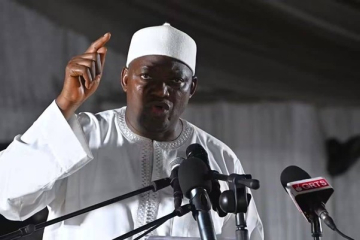
According to UDP leader, his decision to contest again is rooted in unresolved national issues that have persisted over the years. He cited rising living costs, inequality, and what he described as neglect of the needs of the average citizen as key concerns.
The veteran politician and a lawyer, criticised disparities in public sector salaries, arguing that while top government officials benefit from significant earnings, essential workers such as teachers, nurses, and security personnel continue to face hardship.
He also raised concerns about the agricultural sector, noting that farm gate prices have remained unchanged despite increasing economic pressures.
Outlining his agenda, Darboe identified four priority areas: drafting a new constitution, reforming the civil service, restructuring the security sector, and addressing economic challenges. He maintained that most of these reforms could be achieved within a five-year period, insisting he would not seek a second term.
“I want a five-year mandate and no more,” he said, adding that leadership should be based on service rather than prolonged stay in power.
On corruption, UDP flag bearer pledged to strengthen accountability by ensuring public asset declarations and anti-corruption institutions operate independently. He also proposed measures to reduce government expenditure, particularly on official travel and administrative costs.
Responding to criticism over his past role in President Adama Barrow’s administration, Darboe defended his record, stating that he could not support practices he viewed as wasteful or corrupt.
He expressed confidence in his chances in the upcoming election and indicated willingness to work with other opposition parties, noting that a coalition could enhance prospects for political change.