According to the findings, drought remains the most widespread hazard across the country, followed by floods, coastal erosion, and rising temperatures. While both men and women are affected, their experiences differ sharply. Women particularly those engaged in gardening and subsistence agriculture are more vulnerable due to limited access to land, water, finance, and farming inputs. These constraints significantly weaken their ability to cope with climate shocks and heighten food insecurity at the household level.
Men, on the other hand, face growing risks tied to rain-fed agriculture, fisheries, and unstable incomes, as climate variability disrupts production cycles and market access.
Despite perceptions that support systems are equally accessible, the study reveals persistent inequalities in decision-making and benefit-sharing. Women, youth, and persons with disabilities remain largely excluded from disaster management structures, while relief assistance is often distributed through male household heads, limiting women’s control over critical resources.
The report also highlights weak community-level disaster governance and an overreliance on external interventions, particularly from the National Disaster Management Agency (NDMA). Traditional coping mechanisms such as tree planting, community dikes, and seasonal adaptation practices are declining and are not adequately integrated into formal disaster response systems.
At the institutional level, while The Gambia has made notable progress in adopting policies that promote gender equality in climate and disaster frameworks, implementation gaps remain significant. Limited technical capacity, poor coordination, lack of sex-disaggregated data, and inadequate funding continue to hinder effective execution. Gender considerations are often treated as secondary, with weak accountability mechanisms across sectors.
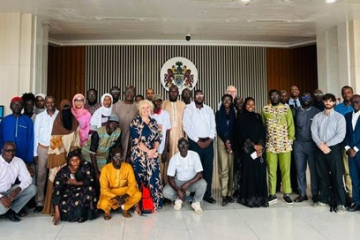
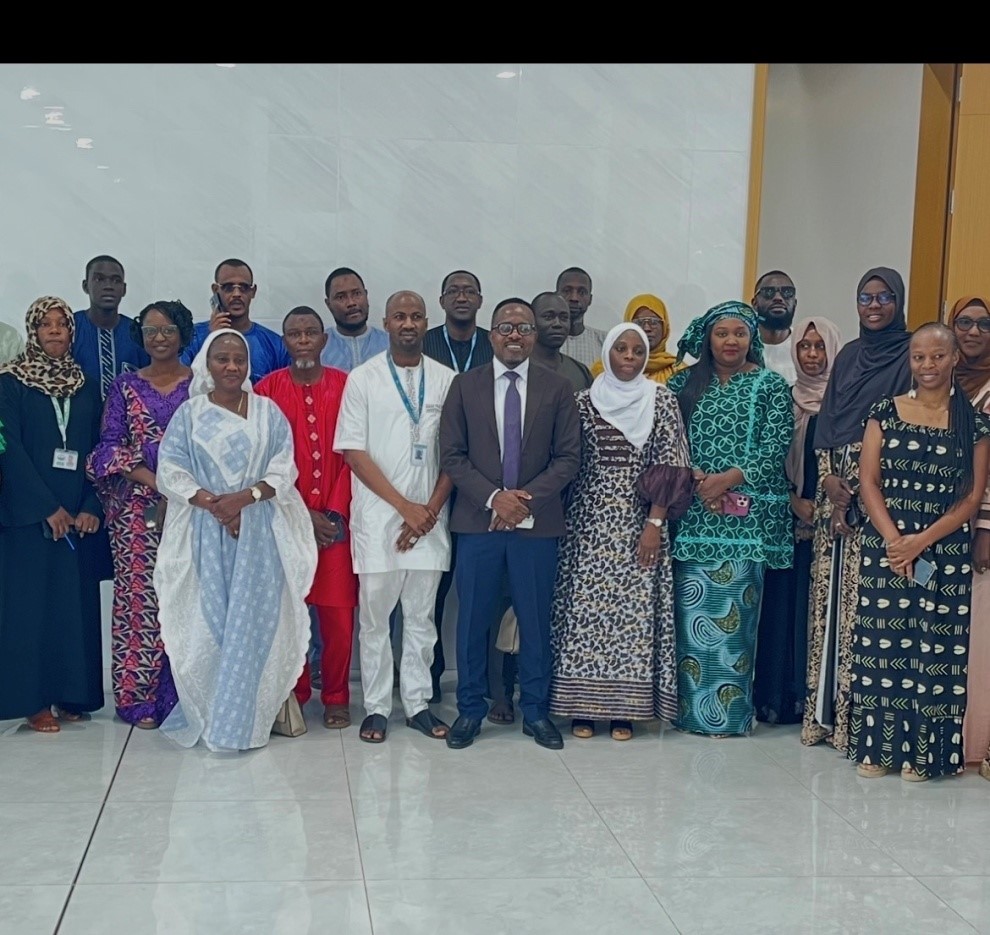
Speaking at the opening of a three-day validation workshop, FAO Senior Gender Expert Bethel Terefe emphasised that the findings would guide a Gender Action Plan aimed at strengthening inclusive and practical interventions. The training sessions, she noted, will focus on building capacity in gender analysis, planning, budgeting, and monitoring within disaster risk management and climate programs.
Representing the FAO Country Office, Mustapha Ceesay underscored the urgency of addressing climate threats, noting that The Gambia is increasingly exposed to hazards such as flooding, drought, and coastal erosion, all of which place growing pressure on agriculture, food security, and livelihoods.
He commended the government for its strong policy frameworks, including the National Climate Change Policy, National Adaptation Plan, and National Gender Policy, but stressed that translating these commitments into action remains a major challenge.
Deputy Permanent Secretary at the Ministry of Environment, Ndey Fatou Jobe, described the workshop as a critical step toward ensuring inclusive resilience. She warned that The Gambia, despite contributing minimally to global emissions is among the countries most vulnerable to climate change impacts, including rising sea levels, erratic rainfall, and declining fish stocks.
She emphasised that resilience cannot be achieved without inclusivity, stating that integrating gender into disaster risk management and climate adaptation is essential for building sustainable and equitable solutions.
The report concludes that addressing gender inequality is not just a matter of fairness but a fundamental requirement for effective climate resilience. It calls for immediate action, including strengthening inclusive governance structures, protecting climate-sensitive livelihoods, enhancing institutional capacity, integrating traditional knowledge into formal systems, and establishing clear accountability mechanisms.
A Gender Action Plan developed alongside the study provides a roadmap for implementation, outlining practical, time-bound steps to ensure that policies translate into measurable impact.
As stakeholders deliberate on the findings, the message is clear: without meaningful gender integration, The Gambia’s efforts to combat climate change and disaster risks will fall short of delivering lasting resilience.