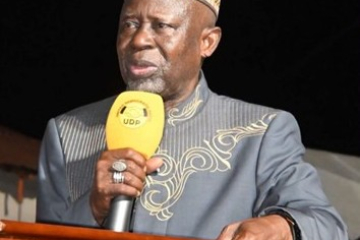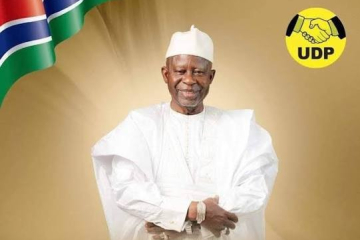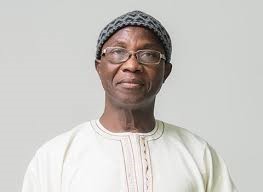
Speaking in an interview on Coffee Time with Peter Gomez, Touray argued that Gambians in the Diaspora continue to sustain the economy through remittances while being denied the right to fully participate in national decision-making.
“These Gambian people who are bringing that remittances are not allowed to participate in our country,” he said, adding that the country’s economic growth is largely driven by money sent home by Gambians living abroad.
Touray, said his party would push for urgent constitutional reforms if elected into government, including electoral reforms that would allow the Diaspora to have a constituency of their own and send representatives directly to parliament.
He also renewed calls for greater recognition of April 24, 1970, the date The Gambia became a republic, saying the country must properly explain the meaning of republicanism to citizens.
“That’s when the Gambia became totally free from British rule, that now it is the people who are in charge.”
The veteran lawmaker strongly criticised the system of presidentially nominated National Assembly members, describing it as not democratic.
“Everybody should come to the National Assembly through an election,” Touray said, arguing that nominated members often end up serving the interests of the president instead of the people.
He also opposed the current system where the Speaker and Deputy Speaker can lead parliament without being elected by citizens. “You cannot be leader of an institution like Parliament when you are not elected,” he stated.
On governance, Touray said many Gambians believe parliament is no longer fully serving public interests, while accusing the executive of preparing national budgets without consulting citizens.
“If you want to make a budget, at least you make a survey and talk to the people who are paying their tax,” he argued.
Touray identified poverty, corruption, healthcare and governance as the major issues that will shape voter decisions ahead of the 2026 presidential election. He claimed corruption alone wastes “not less than 1.5 billion” dalasis annually.
“Poverty is definitely increasing,” he said, noting that ordinary Gambians are struggling daily despite official statistics.
He further criticised the country’s dependence on the IMF, saying The Gambia must cut unnecessary spending, reduce dependence on loans and invest in productive sectors such as agriculture and cooperative banking.
“We are more dependent today than we were before,” Touray said.