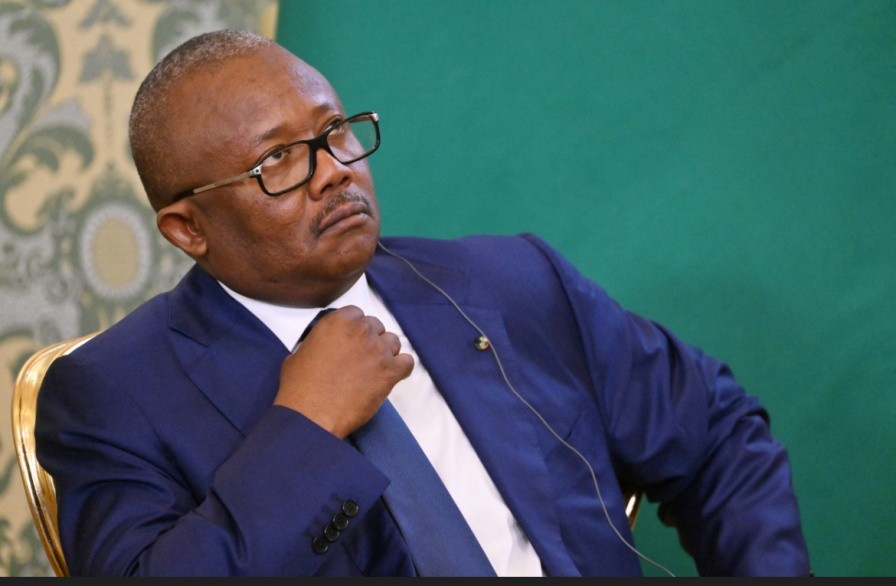
According to reports, Embaló fled Bissau for Dakar shortly after the events of 26 November, when what many observers described as a “self-staged coup attempt” unfolded. Two days later, on 28 November, he travelled onward to Brazzaville, where he remained until his departure this week for Morocco.
The former president has faced sharp criticism from political actors, civil society groups, and sections of the international community who accuse him of orchestrating a fake coup in an attempt to prevent the declaration of his rival, independent candidate Fernando Dias, as the winner of the election.
Dias, widely believed to have secured victory in the tightly contested poll, has gained growing regional and international attention since the political crisis erupted. Calls continue to mount on Guinea-Bissau’s electoral authorities to release transparent results and for ECOWAS to take decisive action to safeguard democratic norms in the country.
Meanwhile, Embaló’s movements and intentions remain a subject of speculation as Guinea-Bissau grapples with uncertainty, heightened tension, and demands for a peaceful resolution to the post-election impasse.