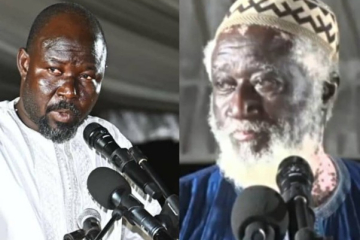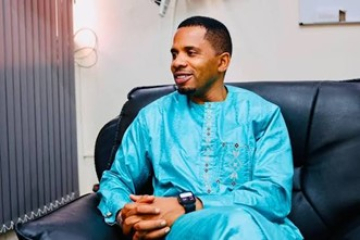
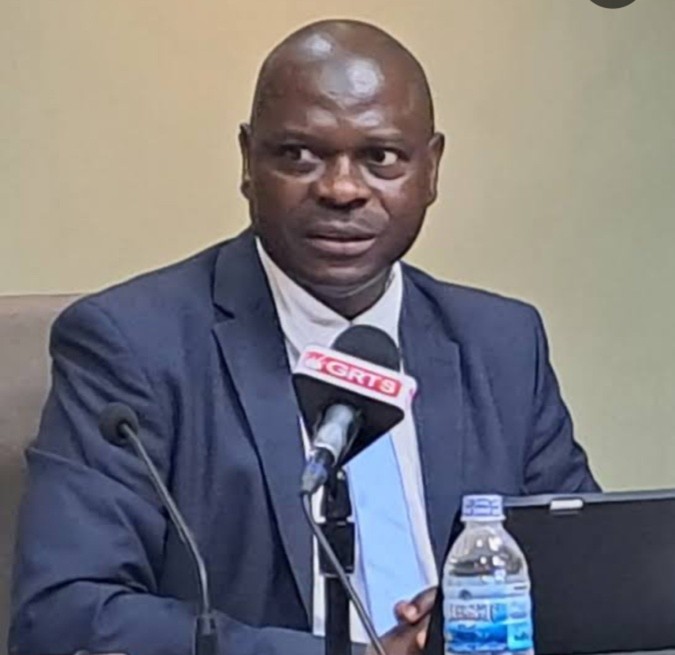
The Member for Brikama South, Lamin J. Sanneh, pointed to what he described as a worrying drop in non-tax revenue projections. He noted that the 2025 target stood at 7 billion dalasis but was reduced to about 5 billion in the 2026 approved budget.
Sanneh asked whether the government had abandoned expected inflows from asset recycling arrangements, which were earlier anticipated to boost revenue. He also raised concerns about the growing share of personnel emoluments in public spending, urging the government to consider restructuring salaries to guarantee what he called a minimum take-home pay across the civil service.
Responding, the finance minister said the recent increase in the wage bill was largely the result of the salary adjustment introduced in 2025 to address what he described as extremely low civil service wages.
He explained that the increase was not applied evenly across all grades but was graduated to benefit lower-income public servants more significantly.
According to him, no core civil servant now earns less than D6,000 dalasis per month, compared to previous salaries that ranged between D2,000 and D2,500 dalasis for lower grades. He said the increase resulted in more than a 100 percent rise in take-home pay for some workers.
The minister added that broader salary restructuring would depend on ongoing public service reforms, including right-sizing and competence assessments being undertaken by the Ministry of Public Service.
He also confirmed that the drop in non-tax revenue projections was linked to expected proceeds from an asset recycling arrangement that did not materialise as planned.
The Member for Jeshwang, Sheriff Sarr, questioned the high interest burden, noting that domestic borrowing rates had reached around 33 percent, which he said appeared excessive.
Sarr, also sought clarification on taxation rules surrounding donor-funded projects, saying there were concerns that grants were now being taxed.
In response, the minister clarified that donor funds themselves are not taxed when they enter the country. However, he explained that contractors and consultants working on donor-funded projects are engaged in economic activity and therefore subject to taxation.
He said the tax exemption granted to donors does not extend to private contractors or consultants executing those projects.
On debt costs, the minister acknowledged that interest payments had risen partly because of previously high domestic borrowing rates but expressed optimism that the situation would ease following a recent reduction in the monetary policy rate to 14 percent.
Meanwhile, the Member for Brikama North, Alhagie S. Darboe, raised broader concerns about the sustainability of government finances, citing figures showing revenue reaching 33.3 billion dalasis, exceeding targets by 103 percent.
Darboe asked how much of the increase came from improved domestic tax collection compared to external budget support, and whether the level of revenue growth could be sustained in the coming fiscal year.
He also questioned the sharp rise in expenditure, noting increases of 35 percent in personnel emoluments, 36 percent in subsidies and transfers, and 33 percent in domestic debt interest.
The finance minister responded that the revenue increase was driven by improvements in tax compliance, digitalisation of revenue collection systems and expansion of the economy, which has brought more activities into the tax net.