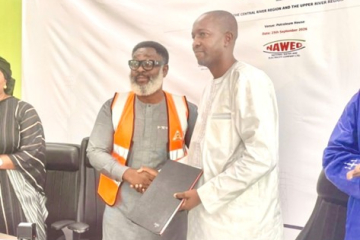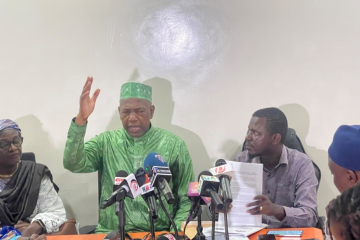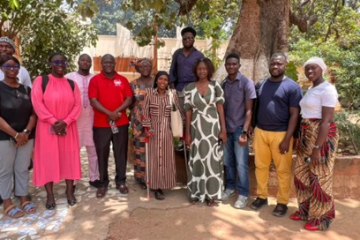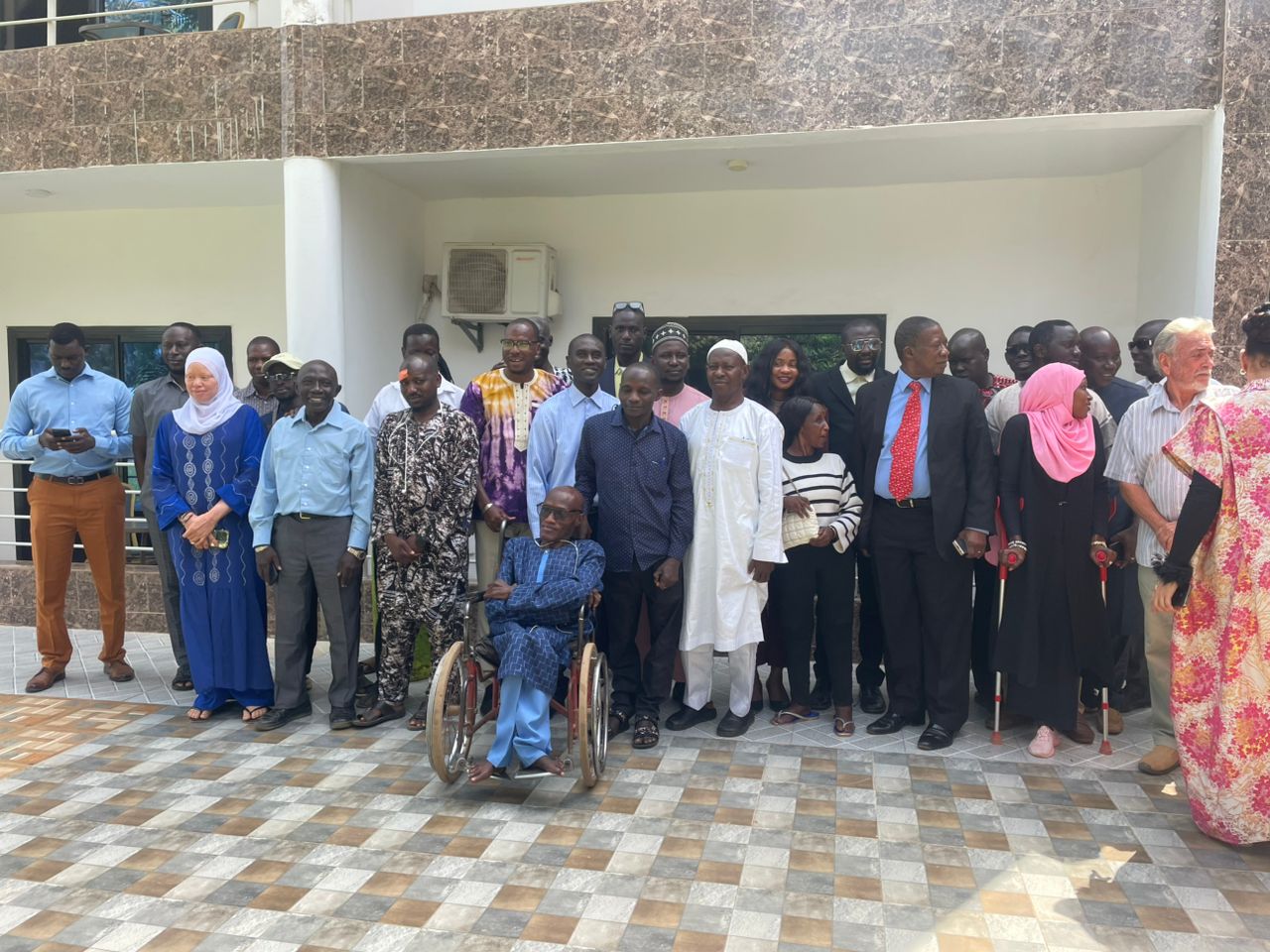
The engagement at Metzy Residence yesterday brought together government officials, ECOWAS representatives and organisations of persons with disabilities to present the programme, outline its implementation and build collaboration at national level.
The initiative is part of the second phase of the ECOWAS programme, following earlier implementation in Togo and Nigeria in 2024.
The current phase will cover The Gambia, Senegal and Guinea.
According to ECOWAS, the programme is designed to improve access to essential assistive devices including wheelchairs, crutches, prostheses, hearing aids and glasses which remain limited for many children across the region despite their importance in supporting mobility, communication and participation in everyday life.
The workshop also focused on sensitising key stakeholders, sharing implementation modalities and gathering data on priority assistive devices required for children across the country.
Addressing participants, Dr. Alves A’lmada Jorge, ECOWAS Principal Programme Officer for Social Affairs, underscored the scale of the challenge, noting that children with disabilities continue to face stigma, exclusion and multiple barriers that restrict their full participation in society.
He pointed to global estimates of about 240 million children living with disabilities, alongside figures indicating that roughly 15 per cent of children aged 0 to 17years in West and Central Africa are affected. Despite existing international commitments, including provisions under the United Nations Convention on the Rights of the Child, he stressed that many of these children remain unable to fully enjoy their rights.
Dr. Jorge said the programme reflects ECOWAS’ continued efforts to respond to these gaps through practical support and stronger collaboration with member states, adding that providing assistive devices is central to improving independence, participation and overall well-being.
He revealed that The ECOWAS Commission has approved a budget of $300,000 for this phase of the programme, which is being implemented in partnership with national institutions responsible for disability inclusion and organisations representing persons with disabilities.
Representing the Ministry of Gender, Children and Social Welfare, Alaya Barra, director of Social Welfare, described the initiative as both timely and necessary, emphasising that access to assistive devices plays a critical role in enabling children with disabilities to live with dignity and participate fully in society.
He noted that while The Gambia has made progress through frameworks such as the Persons with Disabilities Act 2021, significant gaps remain particularly in access to assistive technologies that directly affect education, mobility and overall well-being.
Mr Barra added that the programme provides an opportunity to strengthen national systems for identifying needs, expanding access and ensuring that children in both urban and rural areas are not left behind.
For his part, Magistrate Muhammed Krubally President of the Gambia Federation of the Disabled described the development as an important moment for children with disabilities in the country, stressing that access to appropriate support can significantly influence their ability to succeed in school and participate meaningfully in society.
He highlighted the importance of collective responsibility, calling for sustained engagement from stakeholders to ensure that the programme delivers tangible improvements in the lives of children who continue to face exclusion.