The approach encourages shared responsibility between government authorities, fishing communities, and other stakeholders, allowing local fishers to take part in decision-making, monitoring, and enforcement of regulations.
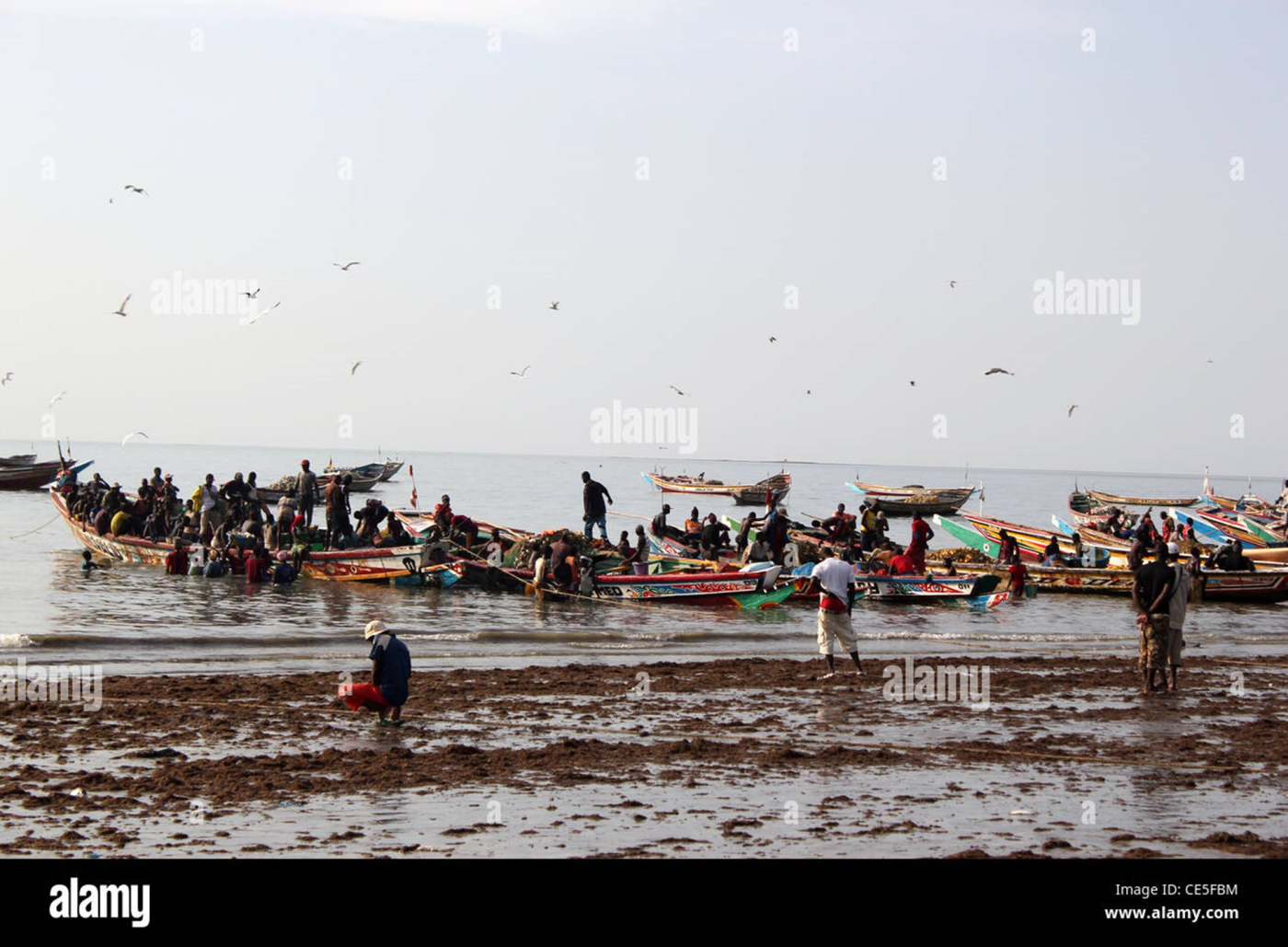
The discussions come at a time when the fisheries sector, which contributes about 12 per cent to the national economy and remains a key source of protein, faces challenges including overfishing, climate change, habitat loss, and weak enforcement.
Co-management structures such as Community Fisheries Centres and Landing Site Management Committees are already operational in areas including Tanji, Brufut, Gunjur, and Kartong, with stakeholders calling for their strengthening.
Habibu Bojang, Executive Director of SANYEPD, described the forum as timely, noting that coastal communities are on the frontline of environmental threats such as erosion, pollution, and declining fish stocks. He stressed that protecting the marine environment is directly linked to safeguarding livelihoods.
Abdoulie Ndiaye, representing Blue Ventures, highlighted co-management as a practical solution to rebuilding fisheries and strengthening community participation. He noted the organisation works closely with coastal communities to promote sustainable practices and ocean conservation.
From the Ministry of Fisheries, officer Ebrima Jabang said co-management provides a framework for government officials to work more closely with communities in enforcing regulations and improving compliance.
Participants also shared their perspectives during the forum. Awa Bayo emphasised the importance of strengthening participatory fisheries co-management to ensure sustainable governance, improved livelihoods, and effective ocean protection.
The forum forms part of SANYEPD’s broader efforts to promote intergenerational dialogue by bringing together youth, community leaders, and local authorities to address environmental challenges.
Key concerns raised included the impact of fishmeal factories, overfishing, depleted fish stocks, and sand mining, all of which continue to contribute to environmental degradation along the coast.
Organisers said such engagements are essential for encouraging dialogue, sharing ideas, and building collective solutions to protect The Gambia’s marine resources for future generations.