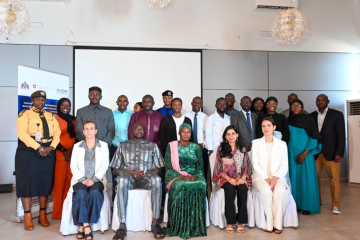
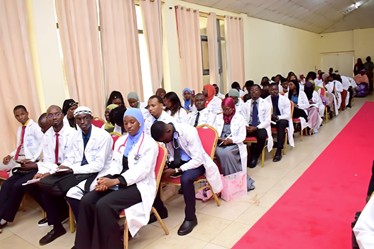
The white coat ceremony, a defining moment in medical education, was fully sponsored by Dr. Omar Jagne, Chief Executive Officer of Africmed International Hospital.
The students, who form the 22nd cohort, have spent the past four years studying foundational medical sciences and will now proceed to clinical rotations, where they will engage directly with patients over the next two years before completing their six-year programme.
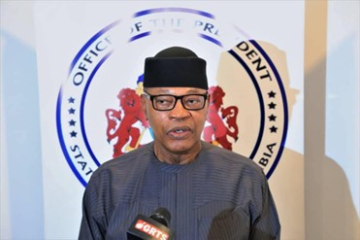
Speaking at the ceremony, Dr. Jagne emphasised the importance of discipline, honesty, and service to society, urging the future doctors to uphold the highest ethical standards.
“Avoid corruption, remain committed, and always prioritise your patients,” he advised, stressing that professionalism and integrity must define their practice.
He further encouraged them to demonstrate compassion, particularly towards the less privileged, and to reflect the values learned in the classroom within real-life hospital settings.
Also addressing the gathering, Dr. Cherno Jallow of the Edward Francis Small Teaching Hospital commended the students for reaching a significant stage in their training.
He reminded them that entering clinical practice comes with greater responsibility, urging them to uphold confidentiality, respect authority, and maintain professionalism at all times.
“Integrity and adherence to ethical standards must be the cornerstone of your work in the hospitals,” he urged.
On behalf of the students, the 22nd cohort class prefect, Gazali Kambi, paid tribute to the Provost, Professor Gabriel Ogun, describing him as a “quintessential servant leader” whose dedication has strengthened medical education at the university.
He also delivered an emotional appreciation of Dr. Jagne, praising his continued support to students, including infrastructure improvements, learning resources, and the sponsorship of the white coats.
“Your generosity and humility have transformed our learning environment,” he said.
Delivering the vote of thanks, Ebrima Bojang expressed gratitude to the university leadership, faculty, and student executives for their role in organising the event and supporting medical training.
He particularly acknowledged efforts to streamline the duration of the medical programme to six years and hailed Dr. Jagne as a key supporter of medical students, describing him as a “hero” of the association.
The ceremony not only celebrated academic progress but also served as a powerful reminder of the responsibilities that come with the medical profession, as the students prepare to step into hospitals and begin direct patient care.