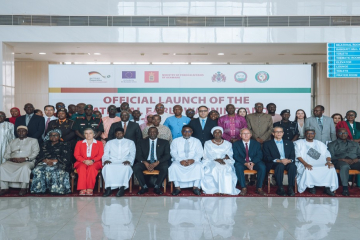
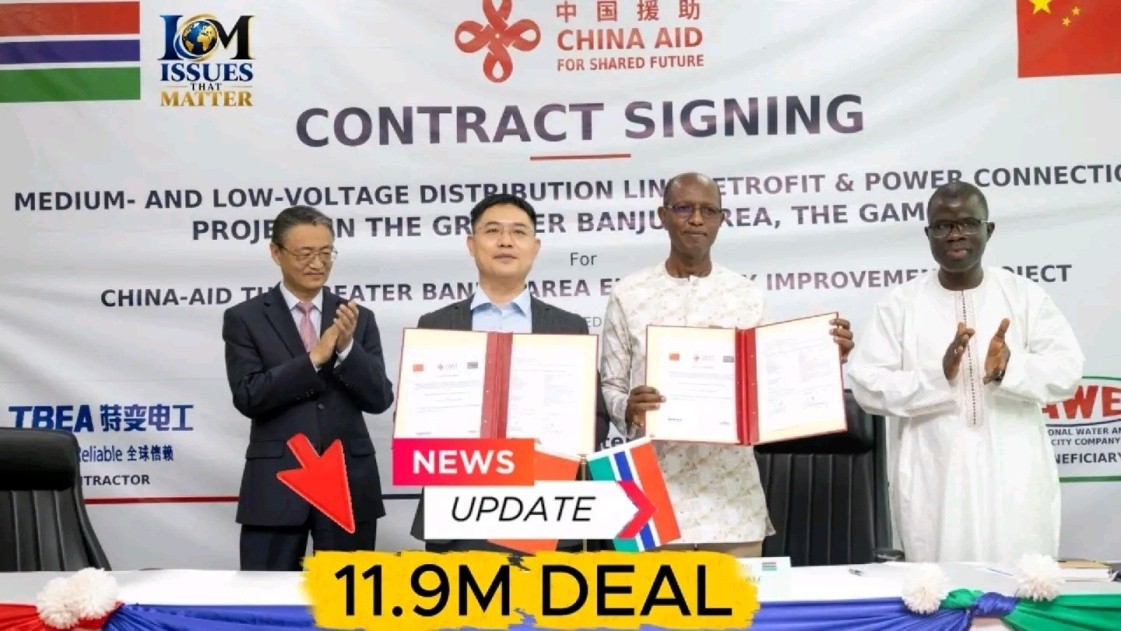
The project, funded through China Aid, will focus on the rehabilitation and upgrading of medium- and low-voltage distribution networks, installation of transformers and modern equipment, and expansion of electricity connections to communities that have faced limited or unreliable access to electricity.
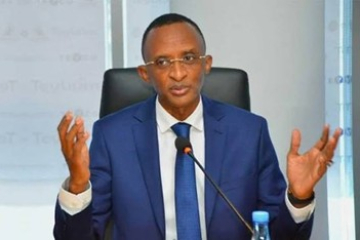
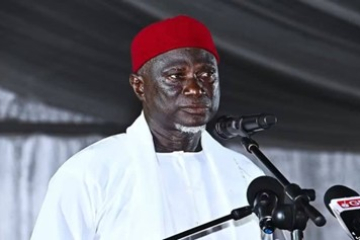
Speaking at the ceremony, Minister of Petroleum and Energy Nani Juwara described the signing as a historic milestone in the Government’s drive towards universal electricity access.
“Access to reliable and affordable electricity supply nationwide is no more a privilege but a human right, and therefore we will not relent in our efforts until we achieve universal access to electricity country-wide,” Minister Juwara said.
He said the project would electrify more than 40 communities in the Greater Banjul Area and benefit more than 80,000 residents who, according to the government, have been waiting for improved access to electricity for decades.
The minister said the works would cover engineering, procurement and construction of distribution networks, including medium- and low-voltage lines, transformers and meter connections.
“With the completion of this project, thousands of households, businesses, schools, health facilities and other institutions will be taken out of darkness for the first time,” he stated.
Chinese Ambassador to The Gambia Liu Jin congratulated both governments and institutions involved in bringing the project to fruition, noting that negotiations and technical discussions had taken place over the past two to three years.
“The Chinese government will use this project to support the Gambian government to upgrade the power infrastructure, enhance supply reliability, and meet the urgent expectation of the people,” Ambassador Liu said.
He said electricity remained a priority area of China-Gambia cooperation and stressed that the project was aligned with The Gambia’s development priorities.
According to Ambassador Liu, the project is expected to increase the load-bearing capacity of power lines, reduce transmission losses and address unstable electricity supplies and inadequate coverage across the Greater Banjul Area.
He also expressed confidence in TBEA’s capacity to deliver the project, while urging the contractor to support technical exchange and vocational training to strengthen local capacity in power construction, operation and maintenance.
NAWEC Managing Director Galo Saidy said the signing marked an important milestone in efforts to strengthen the country’s electricity infrastructure.
“With an investment of approximately 16 million U.S. dollars, the project will be implemented over 18 months and will rehabilitate medium and low voltage networks, install modern equipment and expand electricity connections across the Greater Banjul Area,” Saidy said.
He said the ultimate measure of the investment would be improved electricity reliability, fewer outages, better service delivery and greater access for households and businesses.
Saidy added that the project would support economic activity, education, healthcare and the overall wellbeing of communities.
He described the agreement as a reflection of the strong partnership between The Gambia and China, thanking the Gambian Government, the Ministry of Petroleum, Energy and Mines, the Chinese Embassy and technical teams that contributed to the project.
The signing further strengthens bilateral cooperation between The Gambia and China, with officials describing the project as a people-centred investment expected to deliver long-term benefits to communities in the Greater Banjul Area.