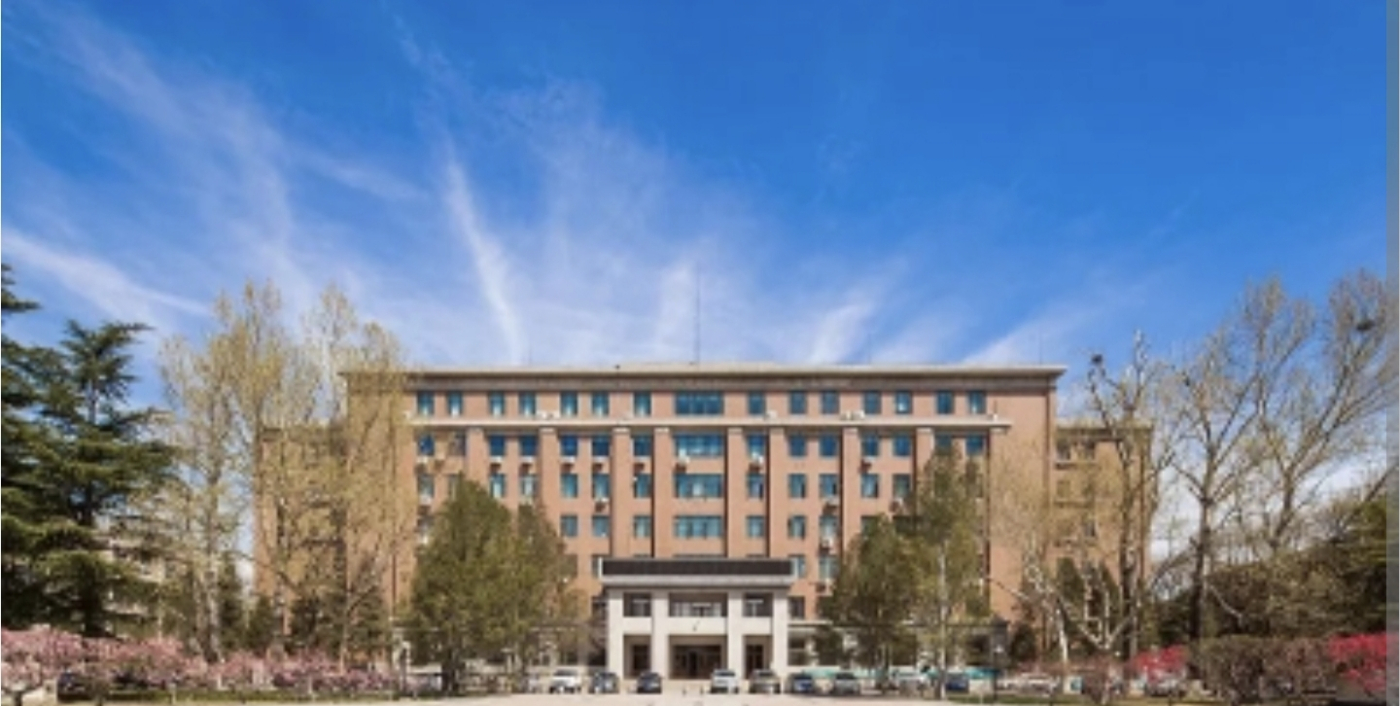
By Xiuli’s account, the most important classroom at China Agricultural University is not in Beijing. It’s in the field.
Xi, Dean of the College of International Development and Global Agriculture and Professor in the College of Humanities and Development Studies at CAU, says that has been true since 1905. That year, the agronomy divisions of Peking University, Tsinghua University and other schools came together to form what would become CAU.
“The university was built on one idea,” Xi said. “Bring science to farmers, and bring farmers’ problems back to science.”
For 120 years, that loop has defined CAU. Professors work with county governments to test soil, improve water use, and adapt new technologies. Students join them. Then the lessons return to campus.
That model has expanded. CAU now has research stations in provinces across China. It launched a MOOC platform so students far from Beijing can study agriculture online. And it runs talent programs to recruit young researchers from China and abroad.
National leaders have backed the approach. Chairman Mao stressed agriculture’s role in nation-building. President Xi Jinping has visited CAU to promote rural revitalization and new agricultural technologies.
But Xi says the university’s work today goes beyond China’s borders.
“Food security and climate change don’t stop at a border,” she said. CAU now collaborates with more than 260 universities and organizations in over 50 countries. In Tanzania and Uganda, CAU teams work with local communities on crops and irrigation. In Asia and Latin America, students help adapt smart-farming tools for smallholders.
This is South-South cooperation in practice: developing countries sharing solutions directly, without waiting for a one-size-fits-all model.
CAU’s poverty alleviation work is part of that exchange. Faculty develop technologies in the field, write them up as case studies, and share them with partners overseas. Xi noted that the university’s model of working with local government and international partners has been recognized by the United Nations.
Inside China, CAU also pushes regional collaboration. Richer areas like Shanghai partner with agricultural provinces to share expertise and resources. “We call it east-west cooperation,” Xi said. “It’s how we scale what works.”
The challenges are mounting. Drought, degraded soil, and the need to produce more food with fewer resources mean agriculture has to change fast.
Xi argues the answer is still the same method CAU used in 1905: practical research, plus education that reaches more people.
The MOOC platform puts courses online. International programs put Chinese experience in conversation with other developing countries. And the field stations keep faculty grounded in what farmers actually need each season.
“Modern agricultural education is not just about new labs,” Xi said. “It’s about new partnerships.”
For her, those partnerships include government, farmers, universities abroad, and especially young people. Many of CAU’s international students will go on to lead agricultural projects in their own countries.
As CAU looks to the next century, Xi said the goal is clear: modernize the science, but keep the work in the field.
“From 1905 until now, we’ve tried to solve real problems with real people,” she said. “That’s how we will address food security and development in China, and across the Global South.”