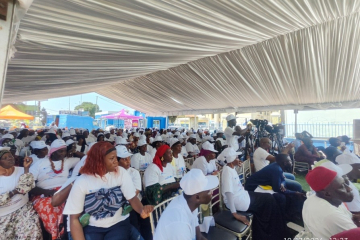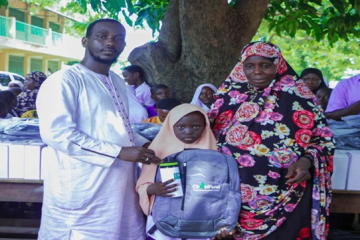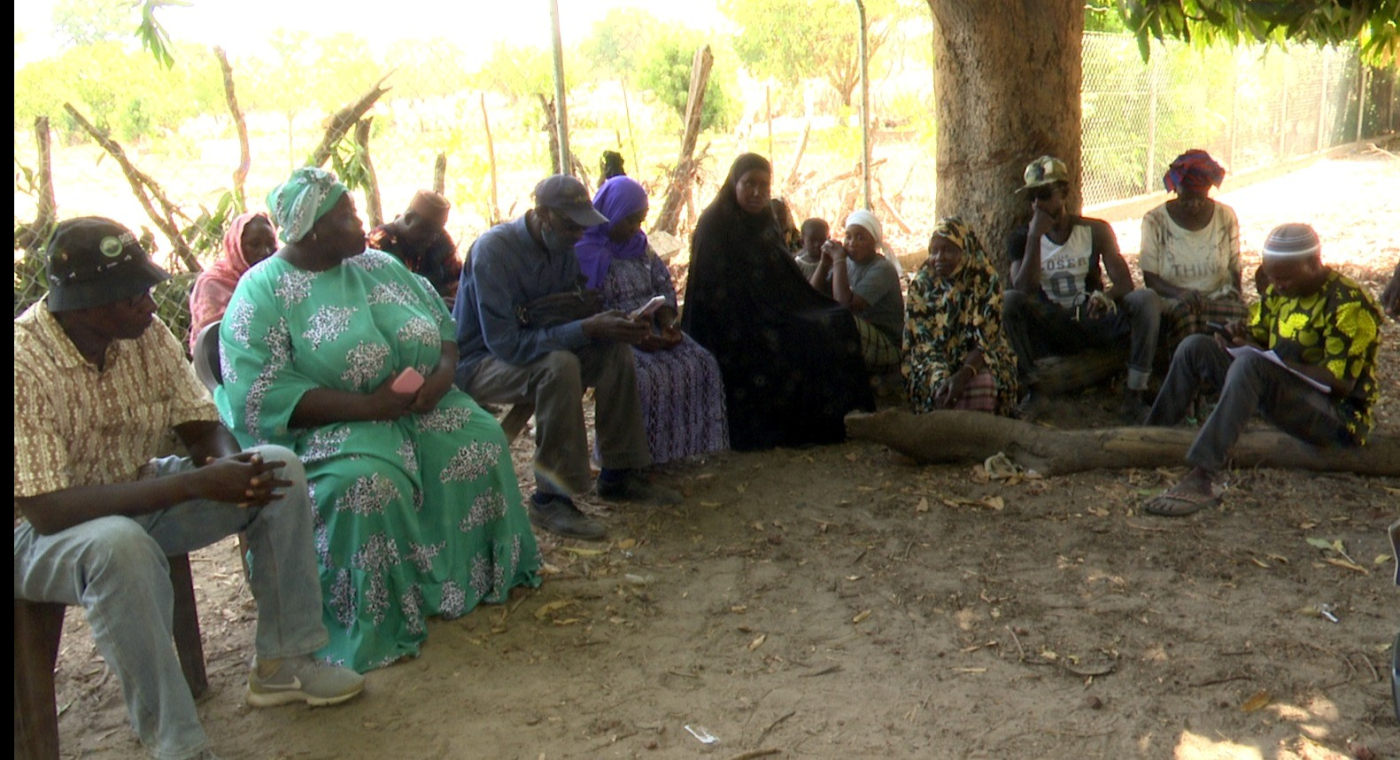
The interventions are part of the Resilience of Organizations for Transformative Smallholder Agriculture Project (ROOTS) launched in 2021 with backing from IFAD, the Global Environment Facility, and the Government of The Gambia.
During the tour, the team assessed key activities such as Assisted Natural Regeneration to rehabilitate degraded land, agro-forestry practices to enhance soil health, and the rollout of energy-saving ‘jambarr’ cooking stoves.
Famara Trawally, ROOTS Project Director explained that the initiative is designed to promote sustainable food systems, alleviate rural poverty, and reinforce agricultural resilience nationwide.
The project, he added, emphasises community-driven natural resource management, combining environmental protection with improved farm productivity.
Dr. Fatou Bojang, Climate Change and Natural Resources Management Officer, acknowledged that the support from GEF has facilitated the integration of trees like live Lime fencing, Moringa into farming systems, thus improving soil fertility, supporting biodiversity, and increasing yields.
She added that Assisted Natural Regeneration is restoring ecosystems and improving water retention, while the ‘Jambarr’ stoves are helping cut down firewood use, reduce deforestation, and lower carbon emissions.
Beneficiary farmers report noticeable improvements, attributing it to better protection of crops from pests, reduced soil erosion, and increased harvests.
They also highlight reduced pressure on surrounding forest resources.
Regional ROOTS Coordinator, Kaddy Bojang Saidy, emphasised that the project is delivering tangible benefits by improving livelihoods and restoring degraded lands.
She cited that the promotion of agro-forestry, natural regeneration, and clean energy solutions is enhancing food security, minimising post-harvest losses, and empowering rural communities.
Bubacarr Bah, a Forestry officer described the initiative as a vital contribution to advancing climate-smart agriculture and improving living conditions in rural areas.
With the monitoring exercise now concluded, stakeholders say the ROOTS Project remains on course to achieve long-term sustainability goals supporting communities and safeguarding the future of agriculture in The Gambia.