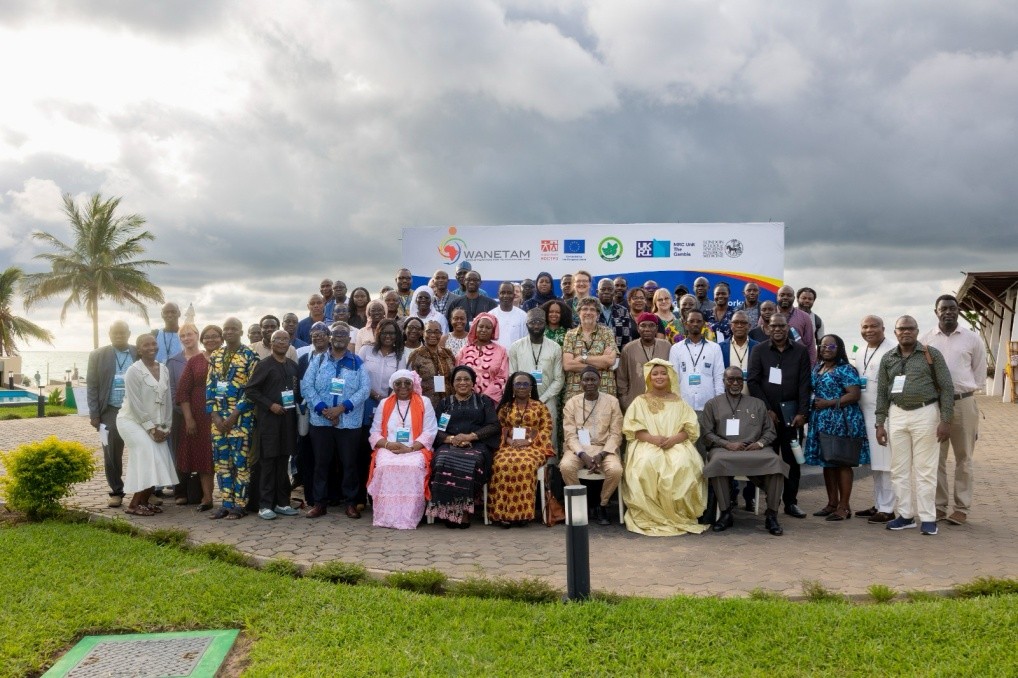
WANETAM-4 brings together research centres, universities, teaching hospitals and national public health institutes from West Africa and Europe to conduct multi-country research on some of the region’s most pressing infectious diseases.
The network comprises 29 partner institutions, including institutions from nine West African countries and six European countries.
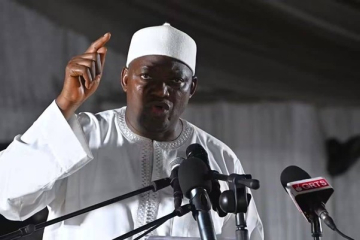
Speaking on behalf of the Government, Dr. Jorjoh Ndure-Tambedou, Executive Director of the Tertiary and Higher Education Trust Fund (THTF), said the programme represents an important platform for countries to pool expertise and resources in addressing persistent health challenges.
“By pooling our expertise, our institutions, and our resources, we can achieve far more together than any single country could achieve alone,” she said.
Dr. Ndure-Tambedou said tuberculosis, HIV/AIDS and malaria continue to pose significant public health challenges in West Africa despite progress made over the years.
She cited drug resistance, weak health systems, limited diagnostic capacity and inadequate financing among the challenges confronting disease-control efforts, noting that the COVID-19 pandemic had further exposed weaknesses in health systems and disrupted essential services.
She called for stronger regional collaboration, greater investment in young researchers and sustained financing for health research and disease-control programmes.
“Research is not a luxury; it is a necessity. Evidence-based decision making is the cornerstone of effective public health practice, and networks like WANETAM are critical to generating that evidence,” she stated.
Professor Toyin Togun, who read a statement on behalf of the WANETAM funders, said the fourth phase would build on achievements recorded by the network over the past two decades.
“WANETAM-4 will continue the scientific research programme and capacity building started in the previous incarnations of the network, while providing a platform for high-quality multi-centre studies in key areas of infectious diseases,” he said.
He said the programme would undertake research on TB-associated multimorbidity and drug resistance, malaria elimination interventions and surveillance of drug and insecticide resistance, as well as HIV drug resistance, early infant diagnosis and viral-load monitoring.
The programme will also strengthen pandemic preparedness, including collaborative training for researchers and public health officials from national public health institutes across West Africa.
Professor Dorothy Yeboah Manu said WANETAM’s long-term objective was to build sustainable research capacity that could withstand future health challenges.
“We need to come together and work together as a team to be able to fight and improve our region,” she said.
She noted that WANETAM was established in 2009 and had progressed through successive phases, with the fourth cycle now focusing on strengthening scientific leadership, mentorship, disease surveillance and regional collaboration.
Professor Manu stressed the importance of African researchers taking greater ownership of research into diseases affecting the continent.
The programme will also support laboratory accreditation, infrastructure upgrades, mentorship and training of early-career researchers, while strengthening collaboration between established and emerging research institutions.
Through these interventions, WANETAM-4 is expected to generate evidence to inform health policies and improve West Africa’s capacity to prevent, detect and respond to infectious diseases and future outbreaks.