The initiative forms part of broader efforts to build a more coherent and effective system where data is not only collected, but also aligned to ensure effective coordination. It has come at a critical time the country intensifies response to sexual and gender-based violence.
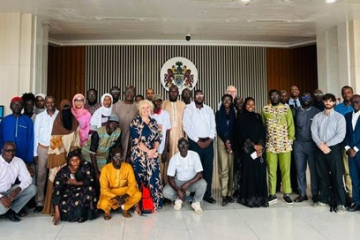
The event drew participants from diverse institutions including the Ministries of Gender, Health, and Justice, One-Stop Centers, Gambia Police Force, and Civil Society Organisations dealing with GBV issues,
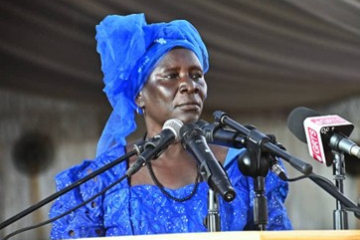
In her keynote address, Fatou Kinteh, minister for Gender, Children and Social Welfare, while commending the organisers for the move, equally reminded that The Gambia has made deliberate efforts to strengthen legal and policy frameworks to address SGBV.
National policies are clear in their direction when it comes to improving prevention, strengthen response systems and enhance coordination across sectors. she stated: “Across The Gambia, different actors are working every day to respond to and prevent violence.
“Health professionals are providing care and documenting cases. Police officers are receiving reports and investigating offences. Social workers are supporting survivors and managing referrals. Courts are handling cases and delivering justice. Civil society organizations are providing frontline services, community engagement and advocacy. Prevention actors are working within communities to address the root causes of violence.”
Minister Kinteh said each of these actors generates important information and “yet in many cases, this data remains fragmented, collected in different ways, stored in separate systems and not always connected to the wider response framework”.
She added: “This limits our ability to fully understand the scale and nature of the problem. It affects how effectively we coordinate services. How we track cases, how we identify trends and how we design targeted prevention strategies.
“This also constrains evidence-based policy-making and resources allocation, which are central pillars to national GBV and Gender Policy Frameworks.”
To this end, the Gender minister described the event as both relevant and necessary, as what they’re exploring is a practical approach to strengthening how all stakeholders collect and use data within their existing roles.
Through more harmonised tools and clearers processes, Minister Kinteh expressed optimism that they can better improve the consistency and quality of information across the system.
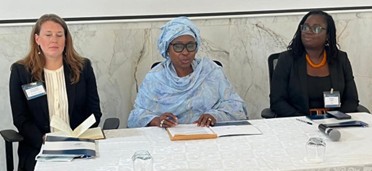
In an interview with The Point, Anna Njie, president of the Female Lawyers Association (FLAG), described the training as “very important”, not just for FLAG, but for the government as well as for civil society and other stakeholders.
“As you know, the Gambia has been one of the main champions in Africa or even around the world in combating SGBV,” she pointed out. “And both at the level of government and civil society, we have had different actors who have contributed a lot to the development of policies and the enactment of laws. But as recognised by the minister in her keynote statement, we still have this degraded data.”
She indicated that government collects its own data, likewise Civil Society Organisations and the Police, but the data is not harmonised.
Thus, she said, the workshop was held to see how government could partner with not just government institutions, but also with civil society and other stakeholders on how best they could have harmonised data on SGBV.