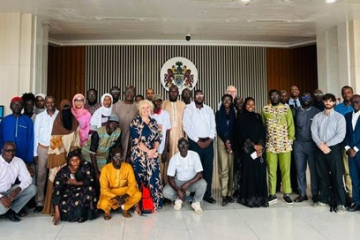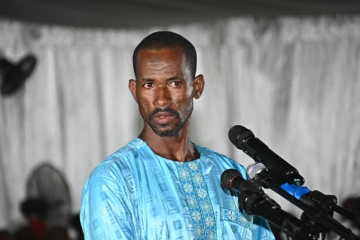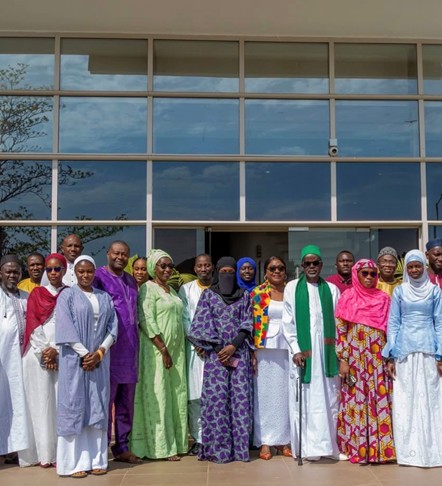
Held between 13th and 14th February, the training placed Parliament at the center of The Gambia’s human rights reform agenda, emphasising that the true value of international commitments lies not in their adoption but in their implementation.
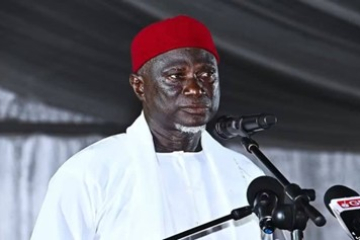
Chairperson of the NHRC, Emmanuel D. Joof, told lawmakers that The Gambia has demonstrated commendable engagement with international human rights mechanisms in recent years.
In January 2025, the country underwent its Universal Periodic Review (UPR), a peer-review process under the United Nations system where the human rights records of member states are examined every four years. The Gambia received 309 recommendations, the majority of which were accepted by the government.
“These recommendations are opportunities to reflect, to reform and to renew our collective commitment,” Mr. Joof said. “But their true value lies not in adoption, but in implementation.”
He reminded lawmakers that under Section 100(1) of the 1997 Constitution, legislative authority rests with the National Assembly. Through law-making, budget approval and oversight, Parliament plays a decisive role in translating international obligations into national laws, policies and resource allocations.
The NHRC chair emphasised that the National Assembly Standing Committee on Human Rights and Constitutional Matters must remain vigilant in ensuring that the Executive and all public institutions uphold constitutional and international human rights obligations.
Mr. Joof also warned of what he described as growing global pushback against human rights, noting that even countries historically seen as champions of fundamental freedoms appear to be retreating from their commitments.
“We must resist the notion that human rights are optional,” he said. “Human rights are universal. They are fundamental.”
He reaffirmed the NHRC’s commitment to providing technical guidance, monitoring and continued collaboration with Parliament to ensure that The Gambia’s human rights commitments are realised in practice for every citizen.
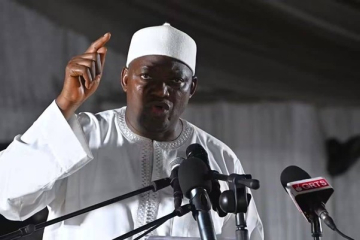
Fatoumata Touma Njai, Member of Parliament for Banjul South, described the discussions as critical to strengthening national mechanisms for implementation, reporting and follow-up on human rights obligations.
Since 2017, she noted, The Gambia has actively engaged UN treaty bodies and mechanisms on key issues, including children’s rights and the protection of vulnerable groups. However, she acknowledged that a persistent challenge remains: ensuring that international recommendations translate into tangible improvements in citizens’ daily lives.
“These recommendations are not abstract ideals,” she said. “They are practical roadmaps designed to protect the rights and dignity of our people.”
She called for structured and coordinated national mechanisms anchored in inclusivity, transparency and accountability. According to her, effective coordination among Parliament, government institutions, oversight bodies, civil society and UN agencies is essential to avoiding duplication and enhancing coherence.
MP Njai stressed that Parliament must lead through legislative reforms, effect oversight of the Executive, provide adequate budget allocations and public awareness efforts.
“When built and maintained effectively, these mechanisms help us fulfill our international obligations, strengthen a domestic culture of human rights and build public trust in our institutions,” she stated.
Quoting former U.S. First Lady and human rights advocate, Eleanor Roosevelt, she reminded participants that universal human rights begin “in small places close to home” institutions like Parliament that translate international principles into measurable change.
The training reinforced the need for sustained collaboration between the National Assembly, the NHRC, UN agencies and civil society organisations to advance accountability, democratic governance and the protection of vulnerable groups.
As The Gambia continues its democratic transition and reform process, the message from the forum was clear: human rights recommendations must not merely be received and recorded—they must be implemented, monitored and reflected in laws, budgets and policies that improve the lives of ordinary Gambians.