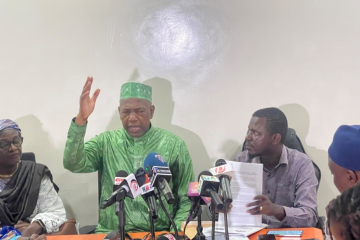
At the heart of the debate was transparency. One participant questioned how Gambians could be assured of accountability when IMF-supported loans are not tabled before the National Assembly. Without parliamentary scrutiny, the speaker argued, there is no real oversight, raising concerns that some loans, grants and revenue figures may not be fully reported.
A 10-year revenue analysis was cited to support the claim that tax revenue in The Gambia is largely on track, warning that further pressure on domestic taxes could break the business and private sector. Instead, attention was drawn to non-tax revenue, grants and loans, which were described as consistently falling short of targets. The speaker questioned whether the IMF was contributing to the problem by prioritising tax measures while gaps in other revenue streams persist.
Another participant reinforced the concern, noting that while tax collection may appear strong, The Gambia still falls below the regional average. Questions were raised about whether collected taxes actually reach government, whether tax payments are concentrated among a few entities, and why areas such as property tax remain weak compared to other countries in the region.
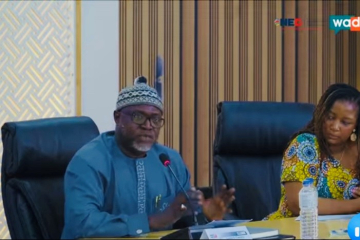
Responding, IMF Resident Representative Patrick Gitton firmly rejected claims of opacity, stressing that all IMF agreements, figures and program documents related to The Gambia are public. He explained that whether loans go through parliamentary approval is an internal institutional matter beyond the IMF’s mandate.
“All our numbers, all our agreements with the authorities are public,” Mr Gitton said, adding that IMF staff reports, letters of intent and memoranda of economic and financial policies are published regularly and accessible online.
On declining non-tax revenue, he acknowledged the shortfall and said it was addressed in the REO report, partly explained by the reclassification of some revenues into tax categories. Grants, he noted, depend on development partners and are increasingly scarce as budget support declines, despite IMF efforts to encourage concessional financing.
The discussion took a turn when debt reporting was questioned. Participants pointed to official figures that exclude certain facilities, such as ITFC financing, arguing that the total public debt being reported may not reflect the full picture.
IMF officials said their analysis relies on what is officially reported to them, but expressed willingness to review additional information if provided.
A banker in the audience added a private sector perspective, warning that IMF style recommendations could unintentionally squeeze businesses. He argued that higher interest rates and tighter conditions push banks towards lending to government rather than the private sector, discouraging business expansion and even driving firms to relocate to neighbouring countries.
IMF officials pushed back, saying they do not advocate for higher bank interest rates and instead focus on improving efficiency through better tax administration, digitalisation and broadening the tax base, rather than raising tax rates.