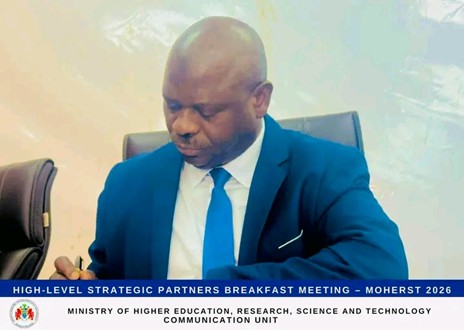
Speaking as a fiscal steward, the minister underscored that investments in education are not aspirational spending but sound economic decisions backed by strong data and sustainability planning.
The Minister presented clear economic evidence, noting that the USET Phase 2 Project, with an investment of USD 95 million, delivers an Economic Rate of Return of 21.8% and a Net Present Value of USD 223 million generating more than USD 2.35 in economic returns for every dollar invested. “Similarly, the Turning Tides initiative yields a Cost-Benefit Ratio of 4.43 and an Internal Rate of Return of 25–28%, positioning it among the most efficient development interventions in the country.”
On fiscal sustainability, the minister assured partners that post-project recurrent costs are affordable and declining. USET Phase 2 recurrent costs will represent only about 2% of MoHERST’s budget, with revenues expected to exceed operational costs by 2035. Other initiatives, including the Tripartite Funds and Turning Tides, are designed as revolving or time-bound mechanisms with no long-term fiscal burden.
The address reaffirmed the Government of The Gambia’s strong financial commitments, including land provision, tax exemptions, counterpart funding, scholarships, and integration of project costs into the Medium-Term Expenditure Framework approved by the National Assembly. Robust fiduciary systems, World Bank-compliant procurement, and zero-tolerance anti-corruption measures were highlighted as safeguards for partner investments.
Placing education investments within a stable macroeconomic and reform-oriented context, the minister emphasised The Gambia’s political stability, young population, regional market access, and readiness for public-private partnerships. Beyond economics, the minister stressed broader returns such as reduced irregular migration, enhanced regional stability, expanded trade opportunities, and strengthened international goodwill.
In closing, the Minister framed the engagement as an invitation to partnership not aid, calling on development partners and the private sector to invest in education as a transformative, high-impact opportunity with measurable returns for The Gambia and its partners.