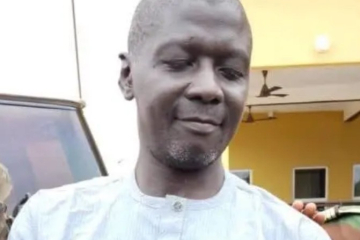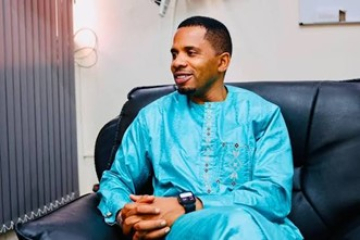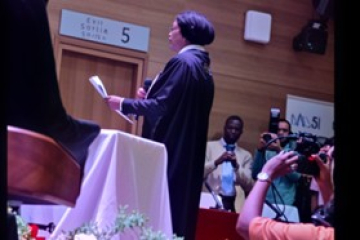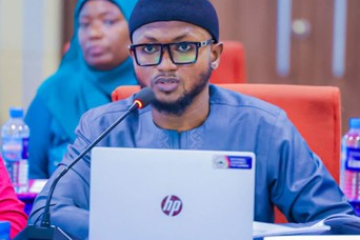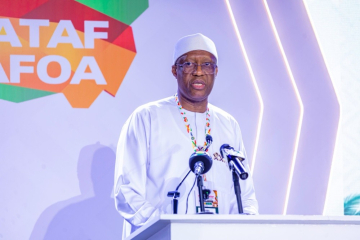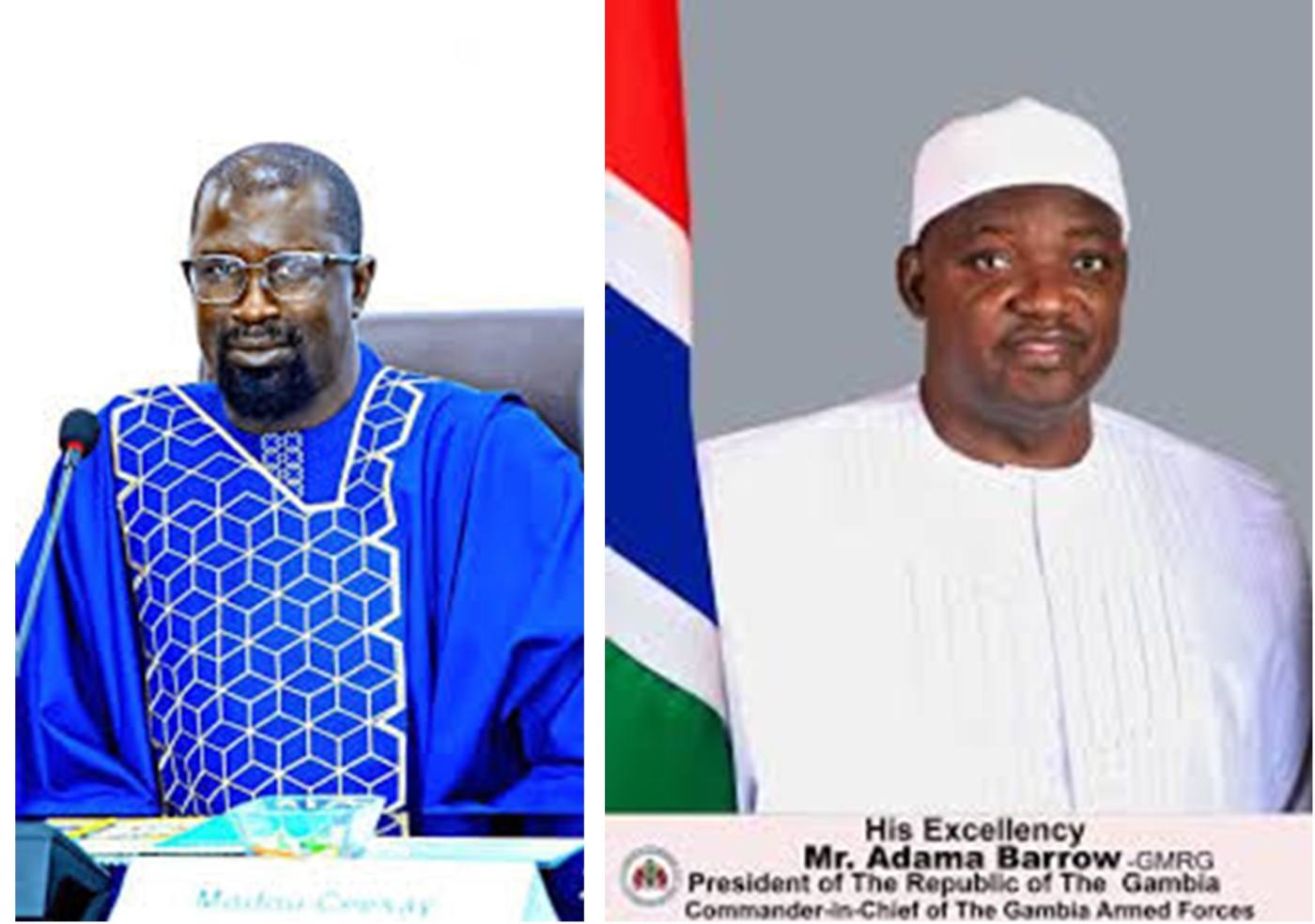
The Supreme Court proceedings involving former Auditor General Modou Ceesay continued with a tense cross-examination led by Counsel I. Drammeh for the State.
Ceesay was questioned about a letter from the Gambia Revenue Authority (GRA) dated 1st September 2025, which he confirmed after reviewing it in court. The letter was admitted into evidence without objection from defence counsel Lamin J. Darboe. A publication from What’s On-Gambia was also tendered and marked into evidence.
Drammeh pressed Ceesay on whether he had a habit of copying the Office of the President on audit issues. Ceesay denied this, saying he only did so when matters affected the presidency. He acknowledged that the line ministry for the GRA is the Ministry of Finance, not the presidency.
Ceesay confirmed that the National Audit Office had engaged a private audit firm due to staff shortages, a move recommended by the National Assembly. He also admitted that the Chief of Staff had asked him to delay a land audit until a report was presented to the National Assembly.
When asked about alleged presidential interference, Ceesay stated that the president had on several occasions told him to stop audits, claiming they could affect elections. He rejected suggestions that he had accepted a ministerial appointment before changing his mind, insisting he had never accepted the offer.
Testimony from Statehouse Protocol Officers
Alhagie Ousman Ceesay testified that on 10th September 2025, the president made several appointments and reassignments. He recalled Babucarr Joof being reassigned to the Ministry of Defence, followed by Modou Ceesay’s meeting with the president, and later Cherno Amadou Sowe’s appointment as Auditor General.
He said the president called him immediately after these meetings, confirming that both Joof and Ceesay had accepted their appointments, and authorised the release of a press statement. He explained that appointment letters are only handed over after acceptance, and denied ever witnessing the president attempt to stop an audit.
Under cross-examination by Counsel Darboe
Alhagie Ousman Ceesay admitted he had seen the envelope containing the appointment letter but said it was not sealed. He acknowledged that rejection letters are usually addressed to the president, but in this case, Modou Ceesay’s rejection was addressed to the Chief of Staff. He maintained that he only became aware of the rejection through social media.
Wuday Ceesay’s evidence
Protocol Officer Wuday Ceesay also testified, recalling that she ushered Modou Ceesay into the president’s office on 10th September. She described him as “happy” and smiling when he emerged, telling her he had been appointed Minister of Trade. She congratulated him at the time.
Later that day, she said, Ceesay returned to the Statehouse to see the president again. She placed him in the waiting room until the president was available.
During cross-examination, Counsel Darboe challenged her account, suggesting her description of Ceesay’s happiness was imagination. She stood by her testimony, insisting he had told her directly about his appointment.
Adjournment
After both witnesses were discharged, the Supreme Court set a date for the filing of briefs and replies. The case was adjourned, with the next stage expected to focus on written submissions before judgment.